


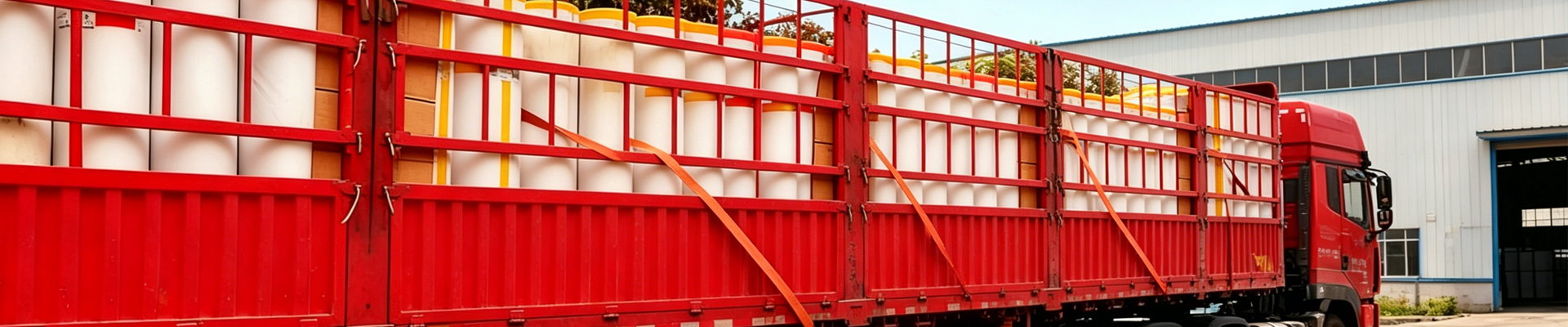
Resins are versatile materials widely used in various industries, from manufacturing and construction to arts and crafts. They offer unique properties such as strength, durability, and versatility, making them indispensable in numerous applications.
Understanding Resins:Resins are synthetic or naturally occurring compounds that, when cured or hardened, form a solid, durable material. They are typically polymers, consisting of long chains of repeating molecular units. Resins can be classified based on their chemical composition, curing mechanism, and intended applications. Let’s explore the most common types of resins:1. Epoxy Resin:Epoxy resin is one of the most popular and versatile types of resins, known for its excellent adhesive properties, high strength, and resistance to chemicals and moisture. It consists of two components – epoxy resin and a curing agent (hardener) – which are mixed in specific proportions to initiate the curing process. Epoxy resin cures through a chemical reaction, forming a strong and durable bond. It is widely used in composite materials, coatings, adhesives, and encapsulation applications.2. Polyester Resin:Polyester resin is another widely used type of resin, valued for its low cost, ease of use, and versatility. It cures through a chemical reaction known as polymerization, where the resin molecules cross-link to form a solid matrix. Polyester resin is commonly used in fiberglass-reinforced plastics (FRP), boat building, automotive parts, and decorative applications. It offers good strength, weather resistance, and dimensional stability.3. Polyurethane Resin:Polyurethane resin is a versatile material known for its flexibility, toughness, and impact resistance. It cures through a chemical reaction between polyol and isocyanate components, resulting in a strong and durable polymer network. Polyurethane resin is used in a wide range of applications, including casting, molding, sealants, coatings, and foam insulation. It can be formulated to exhibit various properties, such as hardness, elasticity, and thermal stability, making it suitable for diverse applications.4. Acrylic Resin:Acrylic resin, also known as acrylic polymer, is a transparent thermoplastic material valued for its clarity, UV resistance, and weatherability. It is commonly used in applications where optical clarity and weather resistance are essential, such as automotive lenses, signage, architectural glazing, and protective coatings. Acrylic resin can be cast, molded, or extruded into various shapes and forms, offering designers and manufacturers flexibility in their projects.5. Phenolic Resin:Phenolic resin is a thermosetting material known for its high heat resistance, flame retardant, and electrical insulation properties. It cures through a cross-linking reaction initiated by heat or a catalyst, forming a rigid and durable structure. Phenolic resin is widely used in applications requiring heat resistance, such as electrical insulators, laminates, brake pads, and molded components for consumer goods and industrial equipment.6. Silicone Resin:Silicone resin is a type of synthetic resin derived from silicone, known for its heat resistance, flexibility, and weatherability. Silicone resins cure through a condensation reaction, forming a flexible and durable polymer network. They are commonly used in high-temperature applications, electrical insulation, coatings, adhesives, and mold-making materials. Silicone resins offer excellent weather resistance and are often used in outdoor applications exposed to harsh environmental conditions.Applications of Resins:Resins find widespread use in various industries and applications, including:- Construction: Resins are used in construction materials such as adhesives, sealants, coatings, and composite reinforcements.- Manufacturing: Resins are used in manufacturing processes such as casting, molding, laminating, and 3D printing to produce a wide range of products.- Automotive: Resins are used in automotive components such as body panels, interior parts, adhesives, and coatings for their lightweight, strength, and durability.- Electronics: Resins are used in electronic components and circuit boards for insulation, encapsulation, and protection against moisture and environmental factors.- Aerospace: Resins are used in aerospace applications such as composite materials, structural components, adhesives, and coatings for their lightweight and high-performance properties.- Art and Crafts: Resins are used in art and crafts projects for casting, molding, coating, and creating decorative objects, jewelry, and sculptures.


 +86 18503711019
 Call
Call