



Sanding is an essential part of many woodworking and DIY projects. However, sanding by hand can be tiring and time-consuming. Thats where a sanding block comes in handy. A sanding block is a small, handheld tool that helps to distribute pressure evenly across the sandpaper, allowing for smoother, more consistent sanding. In this article, well go over some tips and tricks for using a sanding block effectively.
1. Choose the Right Sandpaper Grit
Before you start sanding with a sanding block, its essential to choose the right sandpaper grit for the job. The grit you need depends on the type of material youre sanding and the level of abrasion required. If youre sanding rough or uneven surfaces, a coarser grit (60-80) sandpaper will do the job. For smoothing out rough spots, medium grit (120-150) sandpaper is ideal. Finally, use fine grit (220-240) sandpaper for finishing and polishing.
2. Prepare the Sandpaper
Next, prepare the sandpaper by cutting it to the right size and shape. Cut a piece of sandpaper slightly larger than your sanding block, and then fold it in half lengthwise. Fit the sandpaper over the block and tuck it into the corners. Secure the sandpaper by clamping it to the block with a binder clip or using adhesive.
3. Hold the Sanding Block Correctly
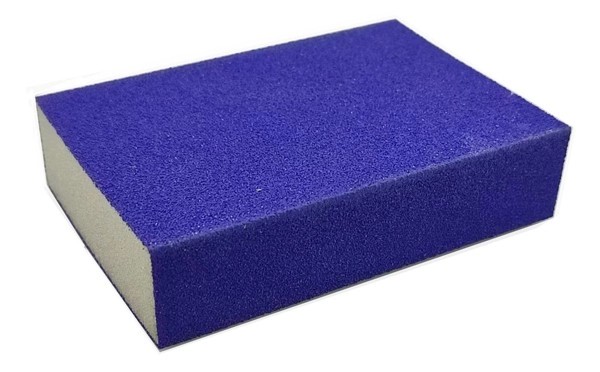
To use a sanding block, hold it firmly with one hand and use the other hand to grip the material youre sanding. Be sure to apply even pressure across the entire surface of the sanding block. Keep your wrists straight and use your body weight to help apply pressure.
4. Sand in One Direction
Always sand in one direction to avoid creating scratches and swirl marks on the surface youre filing. For the best results, move the sanding block in the direction of the grain.
5. Work Methodically
Work methodically, sanding one section at a time. Start with the coarsest sandpaper and work your way up to finer grits. After each sanding pass, wipe away the dust and check your progress. Repeat until you achieve the desired level of smoothness.
6. Use Different Shapes of Sanding Blocks
Sanding blocks come in different shapes and sizes. Use different shapes of sanding blocks depending on the shape of the material youre sanding. For example, use a round sanding block for rounded surfaces and a flat sanding block for flat surfaces.
In conclusion, using a sanding block is an easy and effective way to achieve a smooth, consistent sanding result. Choose the correct sandpaper grit, prepare the sandpaper, hold the block correctly, sand in one direction, work methodically, and use different shapes of sanding blocks for different surfaces. With these tips and tricks, youll be able to achieve a professional-looking sanding finish every time.




 +86 18503711019
 Call
Call