


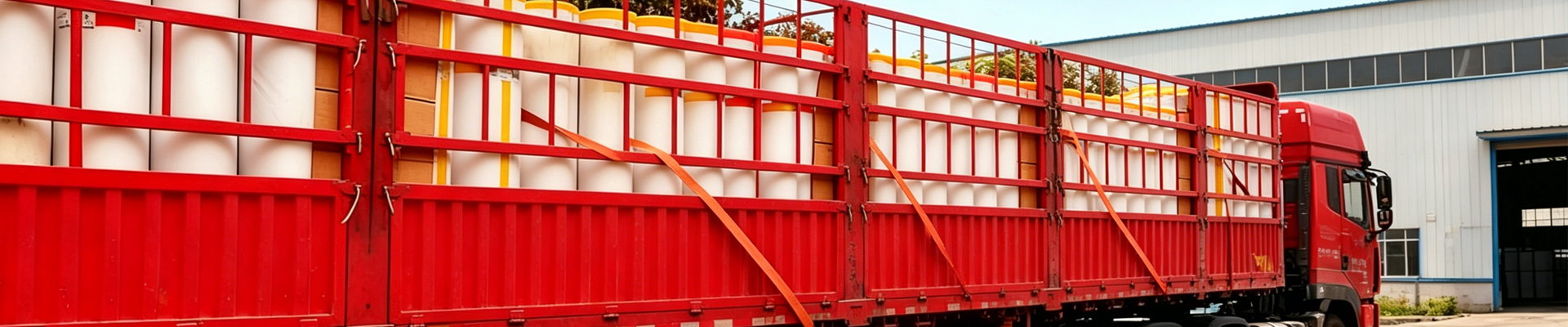
The Indian abrasives industry has been witnessing significant growth and development in recent years. As we step into 2023, it is crucial to analyze the current situation of this industry and explore the factors driving its progress. This article aims to provide an insightful analysis of the Indian abrasives industry in 2023, highlighting key trends, challenges, and opportunities.
1. Growing Demand:
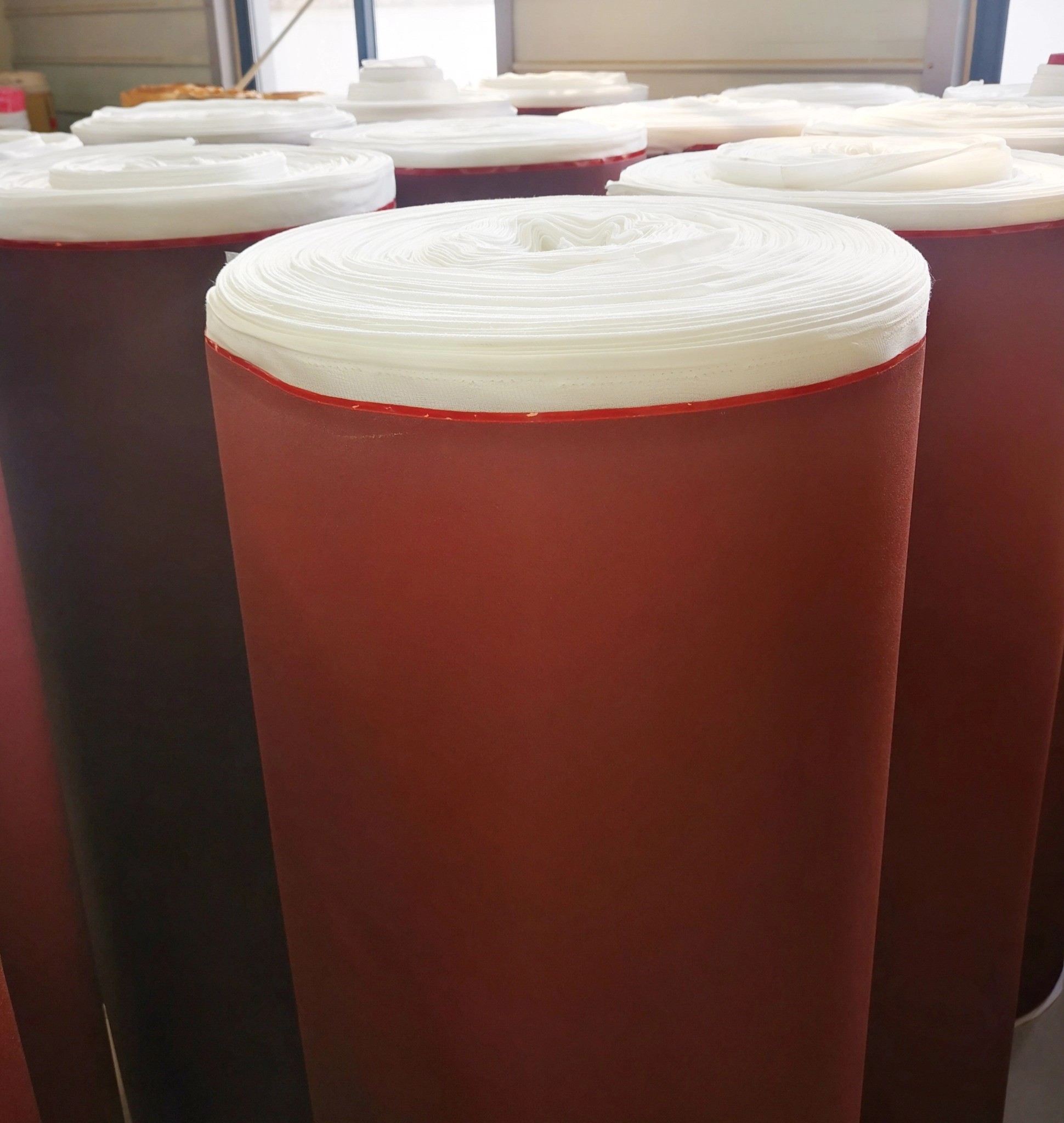
The Indian abrasives industry continues to experience a steady increase in demand across various sectors. With the expansion of manufacturing industries, construction projects, and automotive production, the need for abrasives has surged. The rise in infrastructure development, coupled with a flourishing automotive sector, has contributed to the industry’s growth.
2. Technological Advancements:
Technological advancements play a pivotal role in shaping the Indian abrasives industry. Manufacturers are adopting advanced techniques and machinery to enhance productivity, precision, and quality. Automation, robotics, and artificial intelligence are being integrated into the production processes, resulting in improved efficiency and cost-effectiveness.
3. Shift towards High-Quality Products:
There is a noticeable shift in the Indian market towards high-quality abrasive products. Customers are increasingly demanding abrasives that offer superior performance, durability, and consistency. This trend has pushed manufacturers to focus on research and development, investing in innovative product formulations and advanced manufacturing methods.
4. Environmental Considerations:
In recent years, environmental sustainability has become a crucial factor for industries worldwide, including abrasives. The Indian abrasives industry is embracing eco-friendly practices by adopting greener manufacturing processes and reducing the carbon footprint. Manufacturers are prioritizing the development of sustainable abrasive materials and exploring recycling options to minimize waste generation.
5. Export Opportunities:
The Indian abrasives industry is witnessing a rise in export opportunities. With its growing reputation for quality products, competitive pricing, and skilled labor force, India has become an attractive sourcing destination for global buyers. Export-oriented policies and initiatives further promote the industry’s expansion into international markets, creating new avenues for growth.
Challenges:
Despite the positive growth trajectory, the Indian abrasives industry faces certain challenges that need to be addressed for sustained development:
1. Raw Material Availability: The availability and cost of raw materials, such as grains, resins, and adhesives, can impact the industry’s profitability. Manufacturers must ensure a stable supply chain and explore alternative sourcing options to mitigate this challenge.
2. Skilled Workforce: The industry requires a skilled workforce proficient in operating advanced machinery and handling intricate processes. Efforts must be made to bridge the skill gap through training programs and collaborations with educational institutions.
3. Market Competition: The Indian abrasives industry is highly competitive, with the presence of both domestic and international players. Manufacturers need to differentiate themselves through product innovation, superior quality, and customer-centric strategies to stay ahead in the market.
In conclusion, the Indian abrasives industry is poised for growth in 2023. Factors such as increasing demand, technological advancements, and a focus on high-quality products contribute to its progress. The industry’s commitment to environmental sustainability and expanding export opportunities further add to its potential. Addressing challenges related to raw material availability, skilled workforce, and market competition will be vital for sustaining this growth and unlocking new opportunities in the years to come. By staying adaptable and embracing innovation, the Indian abrasives industry can continue to thrive and contribute to the nation’s economic development.



 +86 18503711019
 Call
Call