


When it comes to prepping a car for a fresh coat of paint, one of the most important steps is sanding the old paint down to the bare metal. This is a time-consuming and labor-intensive task, but its necessary if you want a quality paint job that will last.
So, what grit sandpaper should you use to sand a car down to bare metal? The answer depends on a few different factors, including the condition of the existing paint and the type of metal youre working with.
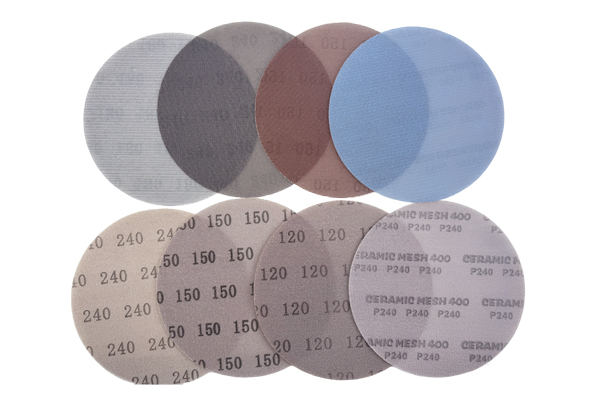
If the existing paint is in good condition with no major defects or imperfections, you can start with a coarser grit sandpaper like 80-grit or 120-grit. These grits will quickly remove the old paint and provide a good surface for the next coat.
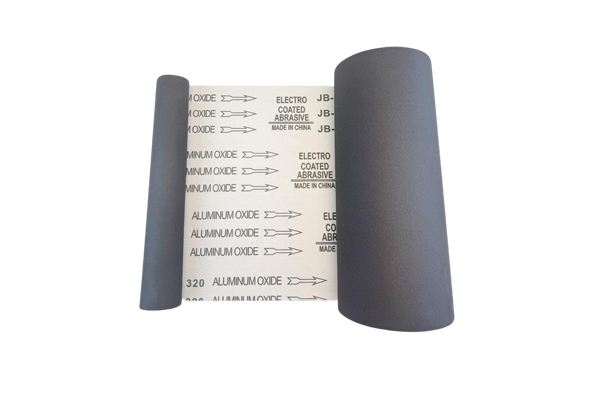
However, if the existing paint has scratches, chips, or other defects, youll need to start with a finer grit sandpaper like 220-grit or even 320-grit
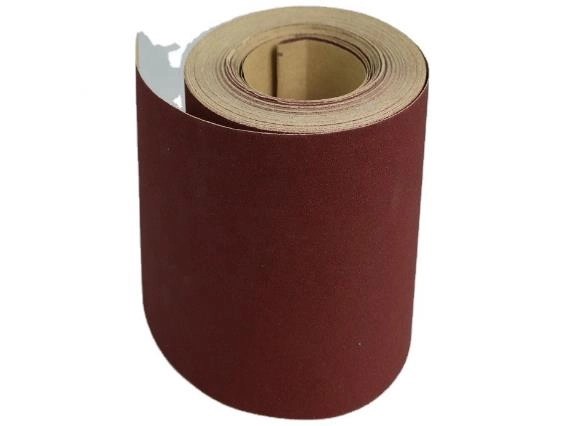
. These finer grits will help to smooth out any imperfections in the existing paint and provide a more even surface for the new paint to adhere to.
Once youve sanded the car down to the bare metal, youll need to use a rust inhibitor to prevent any rust from forming on the metal. You can then apply a coat of primer to further protect the metal and provide a good surface for the paint to stick to.
In conclusion, when sanding a car down to the bare metal, its important to use the right grit sandpaper for the job. If the existing paint is in good condition, you can start with a coarser grit like 80-grit or 120-grit. If there are imperfections in the existing paint, start with a finer grit like 220-grit or 320-grit. And always remember to use a rust inhibitor and primer to protect the metal and ensure a quality paint job.
So, next time youre getting ready to paint your car, make sure youre using the right grit sandpaper for the job.


 +86 18503711019
 Call
Call