



The abrasive tools sector is experiencing a significant shift, fueled by cutting-edge innovations, shifting consumer demands, and dynamic industry developments. To stay competitive, businesses and stakeholders must anticipate the emerging trends reshaping the global abrasive tools market. In this in-depth exploration, we examine the transformative forces driving the industry forward and what they mean for its future trajectory.
1. Innovative Materials and Nanoscale Engineering
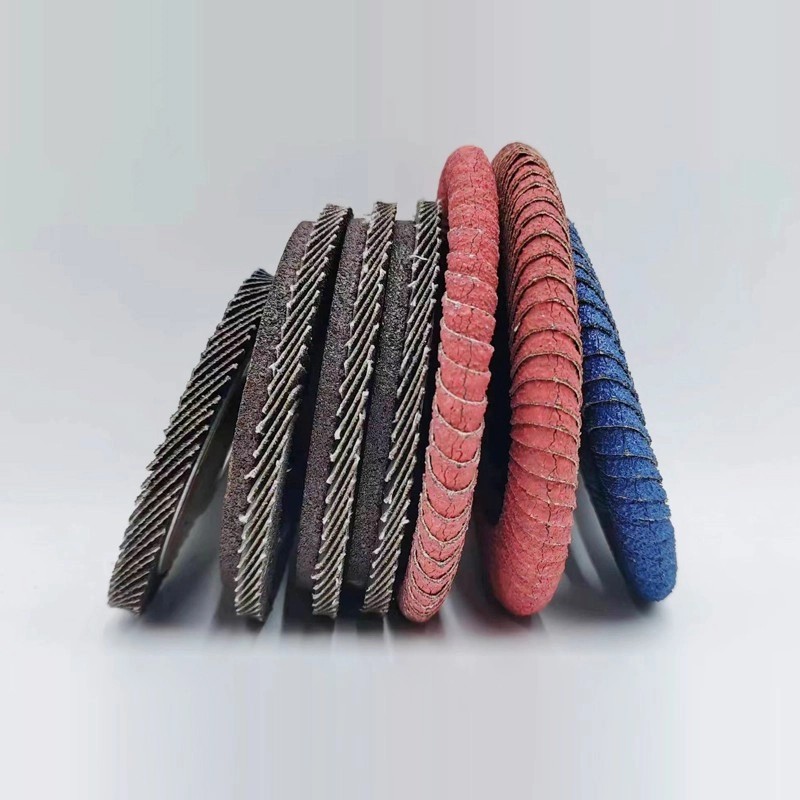
A major trend redefining abrasive tools is the adoption of high-performance materials and nanoscale engineering. Modern abrasives now incorporate groundbreaking composites that boost efficiency, longevity, and precision. The use of ultrafine nanoparticles is revolutionizing material removal processes, enabling smoother finishes and faster machining speeds.
2. Sustainability and Green Manufacturing
Environmental responsibility is becoming a priority across all sectors, and the abrasive tools industry is no exception. Future developments will likely emphasize biodegradable, recyclable, and low-impact abrasives. Manufacturers are expected to adopt cleaner production methods, reducing waste and energy consumption while meeting stringent eco-regulations.
3. Smart Manufacturing and Digital Integration
The influence of Industry 4.0 is reshaping abrasive tool production and application. Automation, AI-driven analytics, and IoT-enabled abrasives are setting new standards for efficiency. Embedded sensors in smart abrasives allow for real-time performance tracking, predictive maintenance, and enhanced precision, optimizing workflows in industrial settings.
4. Tailored Solutions for Specialized Applications
The demand for bespoke abrasive solutions is rising as industries seek tools optimized for specific tasks. Future trends may include abrasives engineered for niche applications, such as ultra-fine polishing or heavy-duty grinding. Customization will enhance productivity, minimize material waste, and deliver superior results across diverse sectors.
5. Enhanced Operator Safety and User-Friendly Design
Workplace safety remains a critical concern, driving innovation in abrasive tool ergonomics. Future designs may incorporate anti-fatigue grips, vibration-dampening technology, and advanced dust containment systems. These improvements will reduce operator strain and create safer working environments.
6. Expansion in High-Tech Industries
The automotive and aerospace sectors, with their need for ultra-precision machining, will be key growth drivers for advanced abrasives. As these industries evolve, specialized tools for intricate grinding, deburring, and surface refinement will see heightened demand, pushing manufacturers to develop next-generation solutions.
7. Digital Marketplaces and Supply Chain Evolution
The shift toward digital commerce is transforming how abrasive tools are distributed and purchased. Online platforms will become increasingly vital, enabling direct sales, streamlined logistics, and improved customer engagement. Manufacturers embracing e-commerce will gain a competitive edge in accessibility and efficiency.
Conclusion
The abrasive tools industry is at a pivotal juncture, with technological advancements, sustainability imperatives, and digital transformation steering its course. Companies that adapt to these emerging trends—leveraging smart technologies, eco-conscious practices, and tailored solutions—will lead the market in this new era. By staying ahead of these developments, stakeholders can secure a strong position in an ever-evolving global landscape.



 +86 18503711019
 Call
Call