



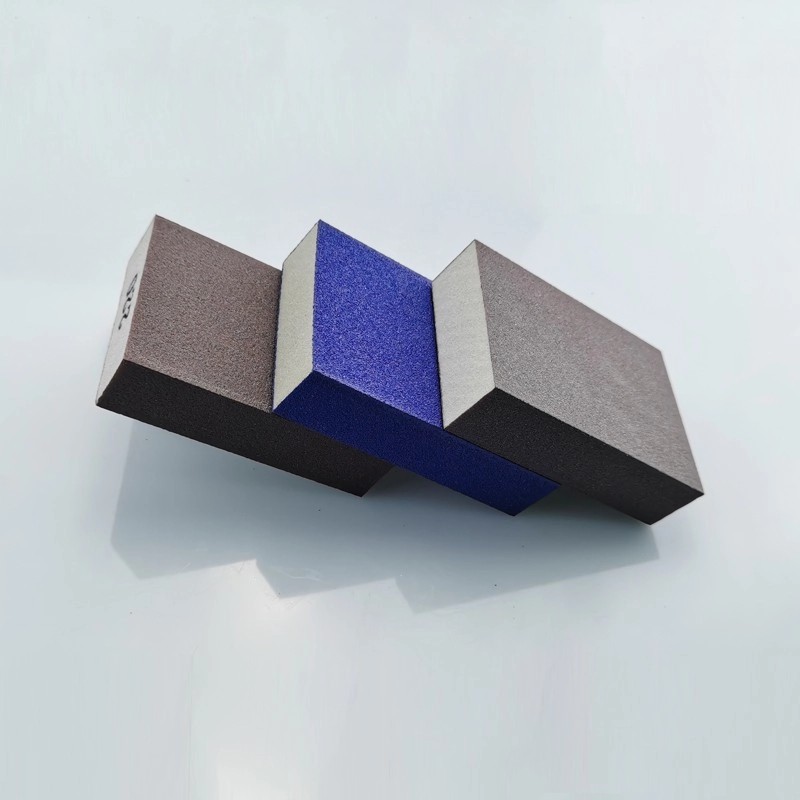
Wet sanding is a technique used to smooth and refine surfaces by wetting sandpaper or abrasive materials during the sanding process. While traditional sandpaper is commonly used for wet sanding, sanding sponges offer a convenient and versatile alternative.
Understanding Wet Sanding:Wet sanding involves using water or a lubricating fluid to reduce friction and heat during the sanding process, resulting in smoother surfaces and preventing clogging of abrasive materials. This technique is commonly used in automotive refinishing, woodworking, metalworking, and other applications where a high-quality finish is desired.Sanding sponges are flexible, abrasive tools made of foam or sponge material coated with abrasive particles. They come in various shapes, sizes, and grits, offering versatility and ease of use for wet sanding applications. Sanding sponges are ideal for sanding contoured or irregular surfaces, as their flexibility allows them to conform to the shape of the workpiece.Benefits of Wet Sanding with Sanding Sponges:1. Reduced Heat and Friction: Wet sanding with sanding sponges helps reduce heat and friction generated during the sanding process, resulting in smoother and more consistent results. The water or lubricating fluid acts as a coolant, preventing the abrasive particles from becoming overheated and reducing the risk of surface damage.2. Minimized Clogging: Wet sanding prevents abrasive materials from clogging the sanding surface, ensuring optimal performance and longevity of the sanding sponge. The water or fluid lubricant helps flush away debris and residue, allowing for continuous sanding without interruption.3. Improved Surface Finish: Wet sanding with sanding sponges produces a finer surface finish compared to dry sanding, resulting in smoother and more uniform surfaces. The lubricating fluid helps suspend abrasive particles and prevents them from scratching or gouging the workpiece, resulting in a professional-quality finish.4. Enhanced Dust Control: Wet sanding generates less airborne dust and debris compared to dry sanding, creating a cleaner and safer working environment. The water or fluid lubricant helps capture dust particles and prevents them from dispersing into the air, reducing the risk of respiratory irritation and contamination.5. Versatility and Convenience: Sanding sponges are versatile tools that can be used for wet sanding a wide range of materials, including wood, metal, plastic, and automotive finishes. Their flexible and ergonomic design allows for easy manipulation and access to hard-to-reach areas, making them ideal for detailed sanding tasks.Techniques for Wet Sanding with Sanding Sponges:1. Prepare the Workpiece: Before wet sanding, ensure that the workpiece is clean, dry, and free from contaminants such as dust, grease, or debris. If necessary, remove any existing finishes or coatings to expose the underlying surface.2. Wet the Sanding Sponge: Thoroughly wet the sanding sponge with water or a lubricating fluid such as soapy water, automotive detailing spray, or mineral oil. Squeeze out any excess moisture to prevent dripping and ensure uniform wetting of the abrasive surface.3. Sand in Even Strokes: Hold the wet sanding sponge firmly and sand the surface of the workpiece in even, overlapping strokes. Apply light to moderate pressure, allowing the abrasive particles to gradually smooth and refine the surface. Keep the sanding sponge wet at all times to maintain lubrication and prevent scratching.4. Rinse Frequently: Periodically rinse the sanding sponge with clean water to remove accumulated debris and prevent clogging. Gently squeeze the sponge to expel excess water and continue sanding. Ensure that the workpiece remains wet throughout the sanding process to prevent overheating and surface damage.5. Check Progress Regularly: Stop periodically to inspect the surface and assess the progress of the wet sanding process. Look for uniformity, smoothness, and any remaining imperfections that may require additional sanding. Adjust the pressure and technique as needed to achieve the desired results.6. Dry and Finish: Once the wet sanding process is complete, thoroughly rinse the workpiece with clean water to remove any remaining residue or abrasive particles. Allow the surface to dry completely before applying any finishes, coatings, or protective treatments.Applications of Wet Sanding with Sanding Sponges:1. Automotive Refinishing: Wet sanding with sanding sponges is commonly used in automotive refinishing to remove imperfections, scratches, and orange peel texture from paint finishes. It helps achieve a smooth and glossy surface ready for polishing and waxing.2. Woodworking: Wet sanding with sanding sponges is ideal for smoothing and finishing wood surfaces, including furniture, cabinetry, and woodworking projects. It helps remove tool marks, blemishes, and raised grain, resulting in a smooth and uniform finish.3. Metalworking: Wet sanding with sanding sponges is effective for refining and polishing metal surfaces, including aluminum, stainless steel, and brass. It helps remove oxidation, rust, and surface imperfections, leaving the metal surface smooth and shiny.4. Plastic and Composite Materials: Wet sanding with sanding sponges can be used to smooth and refine plastic and composite materials, including fiberglass, carbon fiber, and acrylics. It helps remove mold marks, surface irregularities, and excess material, resulting in a polished and professional finish.



 +86 18503711019
 Call
Call