


When it comes to surface preparation and material removal, abrasive cloth and sandpaper are commonly used tools. While they serve a similar purpose, there are critical differences between the two that are worth exploring. In this informative guide, we will unravel the dissimilarities between abrasive cloth and sandpaper, helping you understand their unique characteristics and determine which one is best suited for your specific applications.
1. Composition and Structure:
The fundamental difference between abrasive cloth and sandpaper lies in their composition and structure:
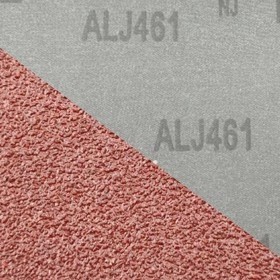
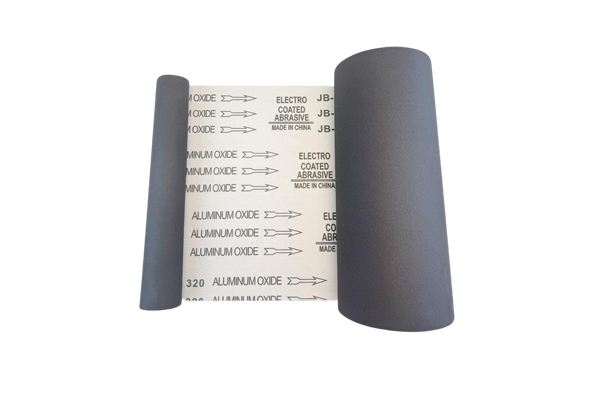
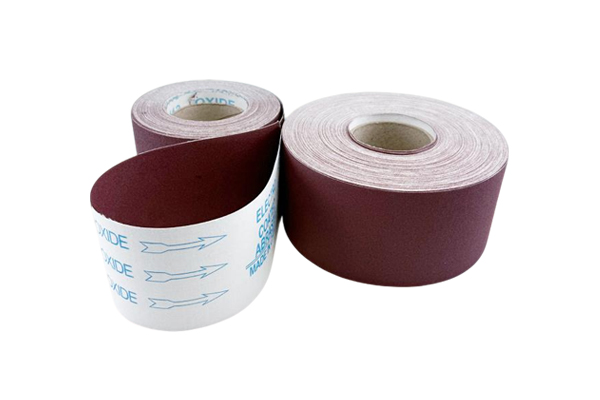
– Abrasive Cloth: Abrasive cloth consists of abrasive grains securely bonded onto a flexible cloth backing. The abrasive grains can be made of various materials, such as aluminum oxide, silicon carbide, or ceramic, offering different levels of hardness and durability. The cloth backing provides flexibility and allows for easy contouring to uneven surfaces.
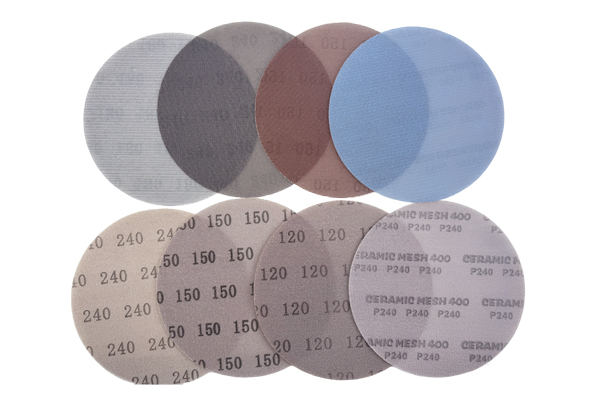
– Sandpaper: Sandpaper, on the other hand, features abrasive grains adhered to a paper backing. The grains can be similar to those found in abrasive cloth, but the paper backing provides less flexibility compared to cloth. Sandpaper is available in different grades, indicating the size and density of the abrasive grains.
2. Flexibility and Conformability:
Abrasive cloths primary advantage over sandpaper is its flexibility and conformability. The cloth backing allows the abrasive cloth to conform to irregular surfaces, making it ideal for intricate or curved shapes. It provides greater control and allows for consistent pressure distribution, resulting in uniform material removal and surface preparation.
Sandpaper, with its paper backing, is generally less flexible than abrasive cloth. While it can conform to some extent, it may struggle to adapt to complex shapes or uneven surfaces
. Sandpaper is better suited for flat or large surface areas where flexibility is less critical.
3. Durability and Lifespan:
Abrasive cloth tends to be more durable and long-lasting compared to sandpaper. The cloth backing provides additional strength and resistance to wear and tear, making it suitable for demanding applications that require prolonged use or aggressive material removal. Abrasive cloth can withstand higher pressure and repeated use without deteriorating quickly.
Sandpaper, with its paper backing, is generally less durable and may wear out faster, especially when subjected to heavy-duty applications or high pressure. It may need to be replaced more frequently, depending on the intensity of the task at hand.
4. Applications:
Both abrasive cloth and sandpaper have their respective applications:
– Abrasive Cloth: Due to its flexibility, the abrasive cloth is well-suited for tasks that involve irregular surfaces, complex shapes, or detailed work. It excels in applications such as metalworking, woodworking, automotive refinishing, and deburring, where flexibility and precise control are paramount.
– Sandpaper: Sandpaper is commonly used for general sanding and surface preparation tasks. It is suitable for flat surfaces, large areas, and projects that do not require intricate shaping or contouring. Sandpaper finds applications in woodworking, paint preparation, and smoothing surfaces before applying finishes.
While abrasive cloth and sandpaper serve similar purposes of surface preparation and material removal, they differ in terms of composition, flexibility, durability, and applications. Abrasive cloth offers greater flexibility and conformability, making it ideal for intricate shapes and detailed work. Sandpaper, with its paper backing, is suitable for general sanding tasks on flat surfaces. By understanding these distinctions, you can select the appropriate tool for your specific application, ensuring efficient and effective results.


 +86 18503711019
 Call
Call