



Thousand-Eyed Bodhi, distinguished by its countless natural markings resembling intricate eyes, holds profound symbolism in Buddhist tradition. Revered as a sacred tree in Buddhism, the Bodhi tree thrives in the lush temple jungles of India, Sri Lanka, and Myanmar, with India even honoring it as its national tree. Known for its remarkable durability, dense structure, and impressive hardness, Thousand-Eyed Bodhi seeds can be meticulously carved into artistic pieces or polished into elegant bracelets and wristbands. However, since the Bodhi tree bears fruit only after two decades, and its seeds are notoriously challenging to refine, finished products are exceptionally scarce, making them highly prized among collectors. The painstaking effort and dedication required to polish these seeds result in timeless masterpieces, earning Thousand-Eyed Bodhi the title of “King of Bodhi Seeds” and the esteemed reputation of being the “Agarwood of the Bodhi family.” As its popularity grows among enthusiasts, have you ever wondered how these exquisite seeds are polished?
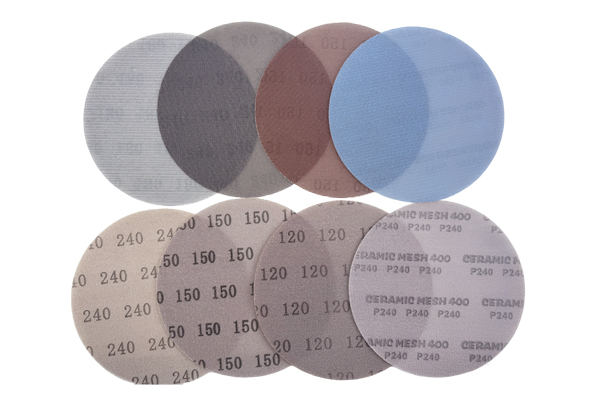
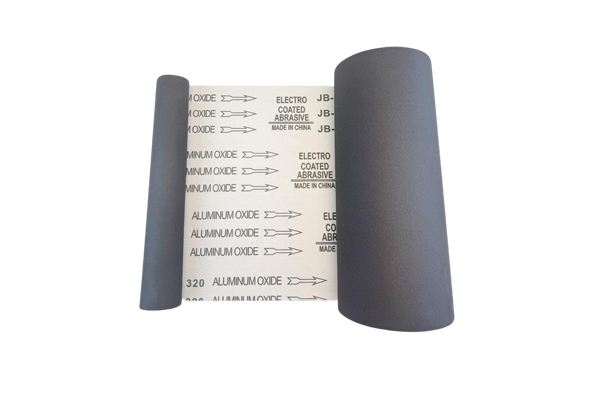
Polishing Method:1.Preparation:Before beginning, assemble the necessary materials: a small basin of clean water, waterproof sandpaper in varying grits (150, 240, 800, 1200, and 2000), and the raw Thousand-Eyed Bodhi seeds you wish to polish.2. Polishing Steps:Initial Shaping: Start with 150-grit sandpaper to strip away the seed’s rough outer layer, revealing its basic form.Pattern Definition: Progress to 240-grit sandpaper to gently uncover the seed’s intricate eye-like patterns.Smoothing the Surface: Switch to 800-grit sandpaper to further refine the details, making the patterns more pronounced.Enhancing Smoothness: Use 1200-grit sandpaper to eliminate minor imperfections and create a silky texture.Final Polishing: Finish with 2000-grit sandpaper for a flawless, lustrous sheen that highlights the seed’s natural beauty.3. Key Considerations:Hand Assessment: Once the patterns begin to emerge, hold the seed in your palm to evaluate its shape. Though time-consuming, this hands-on approach ensures the finest results.Avoid Moisture: During polishing, keep the seed dry to prevent damage. It’s also advisable to minimize water exposure in subsequent handling to preserve its quality.Polishing a Thousand-Eyed Bodhi seed demands patience, precision, and a gradual approach. By following the outlined steps—progressing from coarse to ultra-fine sandpaper—the seed’s mesmerizing patterns are accentuated, transforming it into a radiant work of art. Given its rarity and cultural significance, Thousand-Eyed Bodhi has become a coveted treasure among collectors. Understanding the intricate polishing process not only deepens appreciation for this extraordinary seed but also honors the craftsmanship behind its exquisite beauty. Whether for spiritual significance or artistic admiration, a polished Thousand-Eyed Bodhi seed is a testament to nature’s splendor and human dedication.
Kamel Abrasives WhatsApp: +86 185 0371 1019 / +86 156 3977 2803 Email:sales@kamel.com.cn





 +86 18503711019
 Call
Call