


Rust can be a persistent and unsightly issue that affects metal surfaces. Fortunately, with the appropriate abrasive, removing rust can be straightforward. In this article, we will examine various abrasives frequently used to combat rust and evaluate their effectiveness in rejuvenating metal surfaces. Whether you’re a hobbyist or a seasoned professional, knowing the most effective abrasive for rust removal is crucial for achieving the best outcomes.
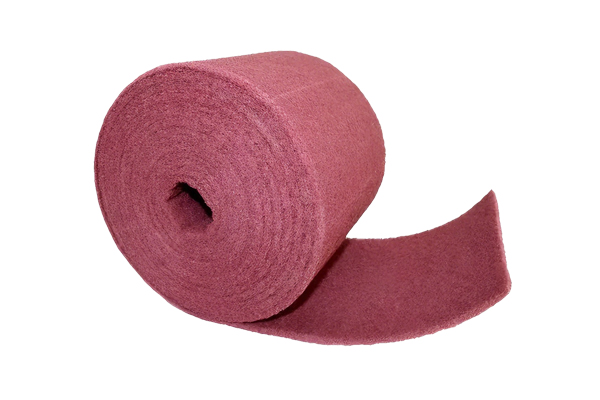
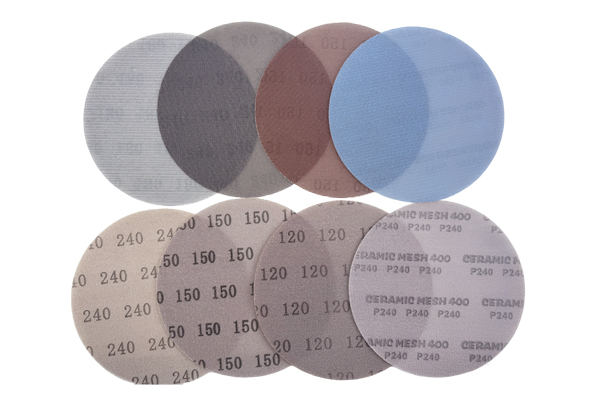
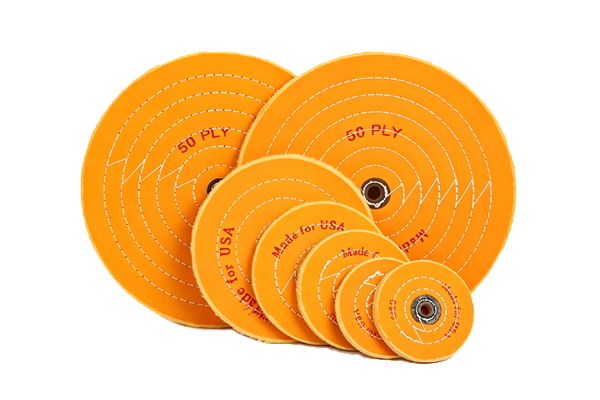
Section 1: Grasping the Nature of Rust and Its DifficultiesBefore exploring the top abrasives for rust removal, it’s essential to comprehend the characteristics of rust and the difficulties it poses. Rust forms through a chemical reaction involving iron, oxygen, and moisture, resulting in the creation of iron oxide. It clings to metal surfaces, causing corrosion and weakening them over time. Effective rust removal involves not only eradicating the visible rust but also addressing any hidden corrosion and applying protective measures to prevent future rust formation.Section 2: Commonly Used Abrasives for Rust RemovalSteel Wool: Steel wool is a flexible and cost-effective abrasive frequently employed for rust removal. It comes in a range of grades, with ultra-fine options (like 0000) being ideal for sensitive or polished surfaces.Wire Brushes: Wire brushes, which come in multiple shapes and sizes, are highly effective for tackling rust on expansive or severely corroded areas. They can be used by hand or mounted onto power tools for faster and more thorough results.Sandpaper: Rough-grit sandpaper, such as 80 or 120 grit, is a reliable choice for stripping rust from both flat and curved surfaces. It can be applied manually or with a sanding block, offering precision and control during the process.Abrasive Discs/Wheels: Abrasive discs or wheels, including flap discs and grinding wheels, are robust tools designed for intensive rust removal on large-scale metal projects. These are typically reserved for professional or industrial settings and demand strict adherence to safety measures.Section 3: Key ConsiderationsWhen choosing the most suitable abrasive for rust removal, keep the following factors in mind:Degree of Rust: The intensity of rust and the level of corrosion will determine the type of abrasive needed. For minor surface rust, softer abrasives like steel wool or fine-grit sandpaper may be sufficient, whereas severe rust might demand more robust tools such as wire brushes or abrasive discs.Surface Type: Take into account the material of the surface being treated. Sensitive or polished surfaces may require less aggressive abrasives to prevent scratches or other damage.Scope and Accessibility: The size of the rusted area and how easy it is to reach will influence your abrasive selection. For detailed or confined spaces, smaller tools like steel wool or wire brushes are often more effective.Choosing the appropriate abrasive is essential for achieving efficient and successful rust removal. Options like steel wool, wire brushes, sandpaper, and abrasive discs each serve specific purposes depending on the situation. Evaluate the extent of rust, the nature of the surface, and the scale of the project to determine the best abrasive for your needs. With the right tools and methods, you can rejuvenate metal surfaces, eliminating rust and restoring their original appearance. Always prioritize safety and follow proper precautions when working with abrasives for rust removal.


 +86 18503711019
 Call
Call