


Abrasive wheels are indispensable tools used in various industries for cutting, grinding, and finishing applications. These wheels consist of abrasive particles bonded together to form a rotating disc, enabling efficient material removal and surface refinement. Among the myriad of abrasive wheels available, certain types stand out as the most common and widely used due to their versatility, performance, and applicability across different materials and tasks.
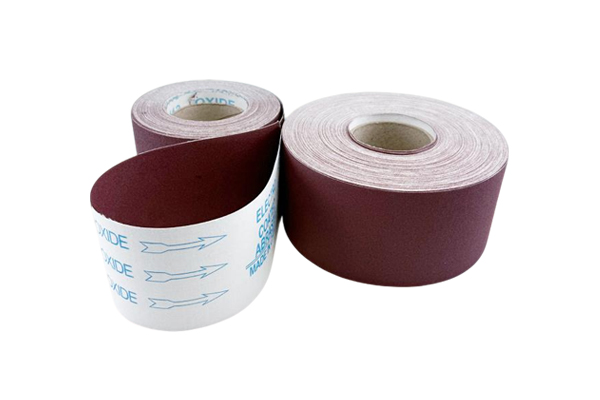
Understanding Abrasive Wheels:Abrasive wheels play a vital role in metalworking, woodworking, construction, and manufacturing processes, offering precision, efficiency, and versatility in material removal and shaping tasks. These wheels are composed of abrasive grains held together by a bonding material, which can be resin, vitrified, rubber, or metal. The abrasive grains vary in size, shape, and composition, providing different cutting and grinding characteristics tailored to specific applications and materials.Types of the Most Common Abrasive Wheel:1. Aluminum Oxide Wheels:- Aluminum oxide wheels are among the most common abrasive wheels used in various industries. These wheels feature abrasive grains made of aluminum oxide, a durable and versatile material known for its toughness and cutting efficiency. Aluminum oxide wheels are suitable for grinding ferrous metals, such as steel and iron, as well as non-ferrous metals like aluminum and brass. They offer excellent performance in general-purpose grinding applications, including stock removal, surface finishing, and sharpening.2. Silicon Carbide Wheels:- Silicon carbide wheels are another prevalent type of abrasive wheel widely used in metalworking and woodworking applications. These wheels feature abrasive grains made of silicon carbide, a hard and sharp material renowned for its abrasion resistance and thermal conductivity. Silicon carbide wheels are suitable for grinding non-ferrous metals, such as aluminum, copper, and titanium, as well as hard and brittle materials like ceramics and stone. They are commonly used for shaping, smoothing, and polishing tasks where high material removal rates and fine surface finishes are desired.3. Zirconia Alumina Wheels:- Zirconia alumina wheels are highly versatile abrasive wheels known for their exceptional toughness and cutting performance. These wheels feature abrasive grains made of zirconia alumina, a synthetic material combining zirconium oxide and aluminum oxide. Zirconia alumina wheels offer superior durability and heat resistance, making them ideal for heavy-duty grinding applications on ferrous metals, stainless steel, and high-alloy steels. They are commonly used in industrial manufacturing, fabrication, and metalworking operations where aggressive material removal and extended tool life are essential.4. Ceramic Alumina Wheels:- Ceramic alumina wheels are advanced abrasive wheels engineered for high-performance grinding applications. These wheels feature abrasive grains made of ceramic alumina, a premium material known for its exceptional hardness, toughness, and heat resistance. Ceramic alumina wheels offer superior cutting efficiency, long tool life, and reduced heat generation compared to conventional abrasive wheels. They are suitable for grinding hardened steels, aerospace alloys, and other demanding materials where precision, consistency, and productivity are paramount.Applications of the Most Common Abrasive Wheel:The most common abrasive wheels find extensive applications across various industries and sectors, including:1. Metalworking:- Abrasive wheels are widely used in metalworking operations for cutting, grinding, deburring, and finishing tasks on ferrous and non-ferrous metals. They are employed in machining, fabrication, welding, and maintenance processes to shape components, remove burrs, and achieve precise surface finishes.2. Woodworking:- In woodworking applications, abrasive wheels are utilized for shaping, sanding, and polishing wood surfaces. They are employed in woodworking shops, furniture manufacturing, and carpentry to refine edges, smooth surfaces, and prepare wood for painting or finishing.3. Construction:- Abrasive wheels play a crucial role in construction and renovation projects for cutting and shaping various materials, including concrete, masonry, and stone. They are used in cutting-off saws, angle grinders, and concrete saws to create precise cuts, grooves, and openings in building materials.4. Manufacturing:- In manufacturing industries, abrasive wheels are integral to the production of components and products across diverse sectors, including automotive, aerospace, electronics, and consumer goods. They are employed in machining centers, CNC machines, and grinding equipment to achieve tight tolerances, smooth surfaces, and high-quality finishes on machined parts.Advantages of the Most Common Abrasive Wheel:1. Versatility:- The most common abrasive wheels offer versatility and adaptability across different materials and applications, making them suitable for a wide range of tasks in various industries.2. Cutting Efficiency:- These abrasive wheels provide efficient material removal rates and precise cutting action, enabling rapid stock removal and shaping of workpieces with minimal effort.3. Durability:- With their robust construction and high-quality abrasive grains, these wheels offer exceptional durability and long service life, resulting in reduced downtime and increased productivity.4. Consistency:- The consistent performance and cutting characteristics of the most common abrasive wheels ensure uniformity in machining operations, enabling reliable and repeatable results with minimal variation.5. Cost-effectiveness:- These abrasive wheels offer excellent value for money, providing superior performance and longevity compared to other cutting and grinding tools, thus reducing overall tooling costs and enhancing profitability.Considerations for Optimal Use of the Most Common Abrasive Wheel:1. Proper Wheel Selection:- Select the appropriate abrasive wheel based on the material, application, and desired outcome to ensure optimal performance and efficiency.2. Correct Operating Parameters:- Adhere to recommended operating parameters, including wheel speed, feed rate, and depth of cut, to maximize cutting performance and minimize tool wear.3. Safety Precautions:- Prioritize safety by wearing appropriate personal protective equipment (PPE) and following safe operating practices to mitigate the risk of accidents and injuries.4. Wheel Maintenance:- Regularly inspect and maintain abrasive wheels to ensure they remain in good condition, free from damage, and capable of delivering consistent performance.The most common abrasive wheels, including aluminum oxide, silicon carbide, zirconia alumina, and ceramic alumina wheels, are indispensable tools in various industries for cutting, grinding, and finishing applications. With their versatility, performance, and durability, these abrasive wheels enable efficient material removal, precise shaping, and high-quality surface finishes across a wide range of materials and tasks.



 +86 18503711019
 Call
Call