


When dealing with metal surfaces, rust can be a common issue that needs to be addressed before painting or finishing. Sandpaper is a great tool for removing rust and creating a smooth surface for painting. However, its important to use the right grit sandpaper for the job.
So, what grit sandpaper should you use for metal rust removal? The answer depends on the severity of the rust and the type of metal youre working with.
For light rust, you can start with 120-grit sandpaper. This will help remove the surface rust and prepare the metal for further sanding. For heavier rust, youll want to start with a coarser grit, such as 60 or 80-grit sandpaper. This will allow you to remove the rust more aggressively and get down to a smooth surface.
After using the coarse-grit sandpaper, you can move on to a finer grit to smooth out the surface. For medium rust, 120-150 grit sandpaper should suffice. For light rust, you can move up to 220-320 grit sandpaper to create a smoother surface.
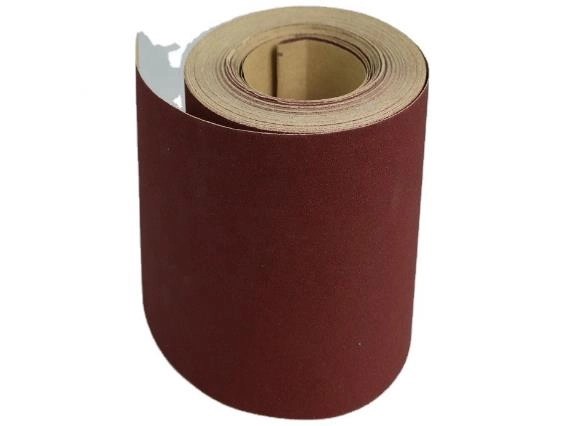
Its important to note that if youre working with softer metals, such as aluminum or copper, youll want to use finer grit sandpaper to avoid scratching the surface. For these types of metals, start with 220-320 grit sandpaper and move up to 400-600 grit for a smoother surface.
In addition to using the right grit sandpaper, its important to properly clean the surface after sanding to remove any dust or debris. You can use a cloth or compressed air to blow away any particles.
In conclusion, when dealing with metal rust removal, its important to use the right grit sandpaper for the job. Starting with coarse grit and moving up to finer grits can help create a smooth surface for painting or finishing. Just remember, for softer metals, use finer grit sandpaper to avoid scratching the surface. With these tips, you can effectively remove rust from metal surfaces and prepare them for a fresh new finish.
So, to answer the question once again, “What grit sandpaper for metal rust?” It depends on the severity of the rust and the type of metal youre working with. Always start with coarse grit and move up to finer grits for a smooth surface.


 +86 18503711019
 Call
Call