



Sandpaper grit is a measure of the size of the abrasive particles embedded in the sandpaper. It is an important factor in determining how rough or smooth a surface will be after sanding. Choosing the right grit for the job is essential to achieve the desired outcome.
Here are some tips on how to determine sandpaper grit:
1. Consider the material: Different materials require different grits. For example, wood typically requires a lower grit for initial sanding, while metal may require a higher grit to achieve a smoother finish.
2. Determine the level of sanding required: If the surface is rough and needs to be smoothed out, a lower grit may be necessary. If the surface is already relatively smooth, a higher grit may be more appropriate for fine-tuning.
3. Start with a lower grit and work up: Its often a good idea to start with a lower grit sandpaper and work your way up to higher grits as needed
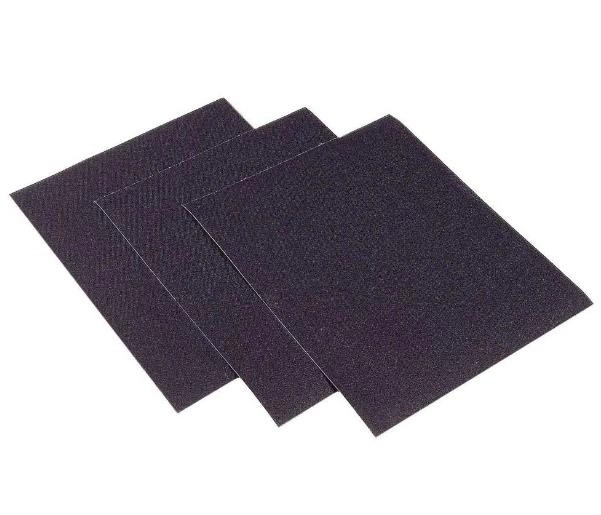
. This allows you to remove any rough spots and gradually refine the surface to the desired smoothness.
4. Test the grit on a small area first: Before sanding an entire surface, its a good idea to test the grit on a small, inconspicuous area first to ensure it is the correct grit for the job.
5. Follow the manufacturers recommendations: Sandpaper manufacturers often provide recommendations on the appropriate grits for specific applications. Be sure to consult the manufacturers recommendations when selecting sandpaper.
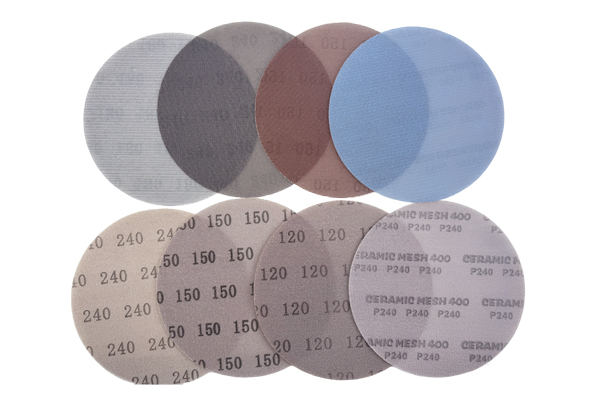
In general, lower grit sandpapers (40-80 grit) are used for heavy sanding and removing rough spots, while higher grit sandpapers (120-220 grit) are used for fine-tuning and smoothing surfaces. Ultra-fine grit sandpapers (3000+ grit) are used for final finishing and polishing.
By considering the material being sanded, the level of sanding required, testing on a small area first, and following manufacturer recommendations, you can determine the appropriate sandpaper grit for your specific sanding needs.



 +86 18503711019
 Call
Call