



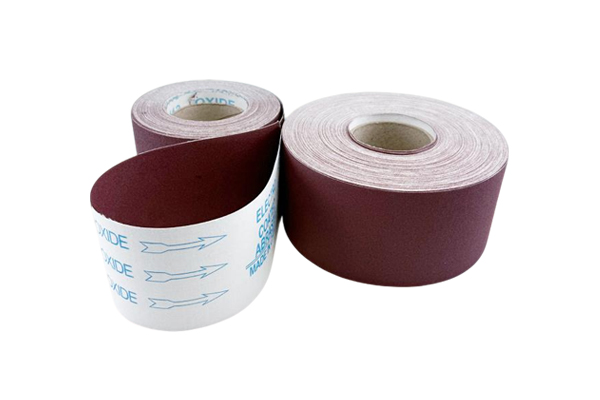
Sandpaper is an abrasive tool thats typically used on wood or metal surfaces to smooth and refine them. However, sandpaper can also be used on glass, but its important to choose the right grit to avoid damaging the surface. In this article, well take a closer look at what grit sandpaper can be used on glass.
Step 1: Determine the Type of Glass
Before you begin sanding, its important to determine the type of glass youre working with. If youre sanding a delicate or decorative glass item, such as a vase or ornament, youll want to use a finer grit to avoid scratching or damaging the surface. For thicker or more durable glass, such as a glass tabletop or window pane, a coarser grit may be more appropriate.
Step 2: Choose the Right Grit
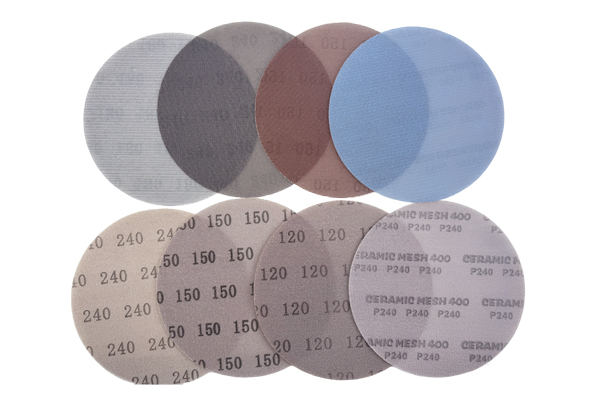
The grit of sandpaper refers to the size of the abrasive particles on the paper. The larger the number, the finer the grit. When sanding glass, its best to start with a low grit, such as 80 or 120. This will help to remove any rough edges or scratches on the surface. Once youve removed the imperfections, you can move on to a finer grit, such as 220 or 320, to achieve a smooth and polished finish.
Step 3: Wet Sanding
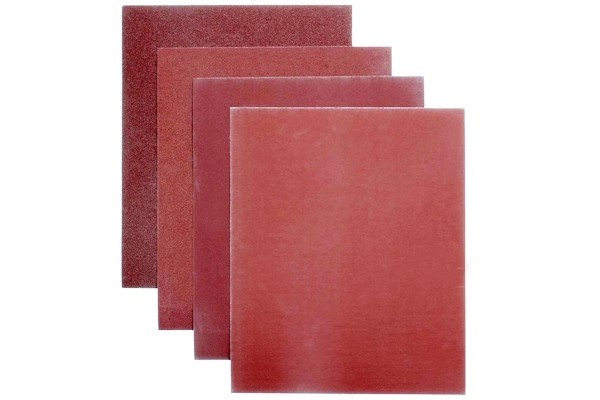
When sanding glass, its important to use water to keep the surface lubricated and to prevent the glass from overheating and cracking. Wet sanding involves dipping the sandpaper in water or spraying the glass surface with water before sanding. This method helps to keep the abrasive particles from clogging and allows for a smoother sanding process.
Step 4: Sanding Technique
When sanding glass, its important to use light pressure and circular or back-and-forth motions. Avoid pressing too hard, as this can cause the glass to crack or shatter. Also, make sure to keep the sandpaper wet and to check the surface frequently to ensure that youre not sanding too much in one area.
Overall, sanding glass can be a delicate process, but with the right tools and techniques, it can be done easily. By choosing the right grit sandpaper and using wet sanding techniques, you can achieve a smooth and polished finish on your glass surfaces. So, what grit sandpaper can be used on glass? It depends on the type of glass and the desired outcome, but generally, a low grit of 80 or 120 should be used to remove imperfections, followed by a finer grit of 220 or 320 to achieve a smooth and polished finish.



 +86 18503711019
 Call
Call