


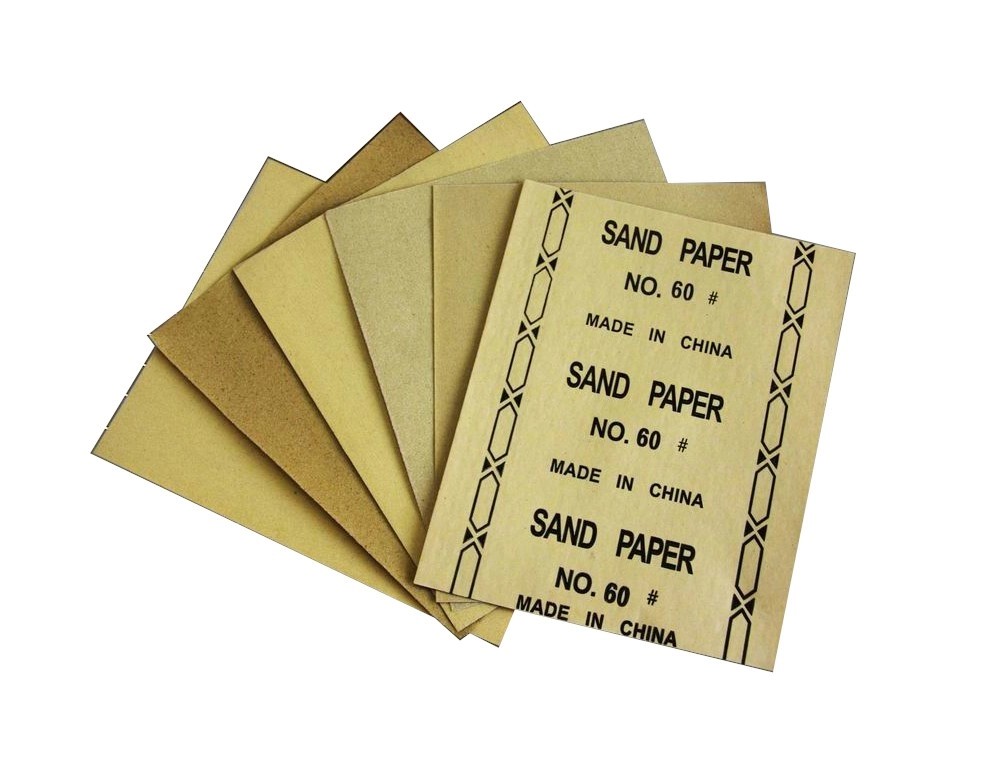
When it comes to preparing metal surfaces for various applications such as painting, welding, or finishing, using the right sandpaper is crucial. The proper sandpaper ensures optimal results by efficiently removing imperfections, rust, and old coatings, and smoothing out rough surfaces. However, with a myriad of options available in the market, selecting the best sandpaper for metal can be daunting.
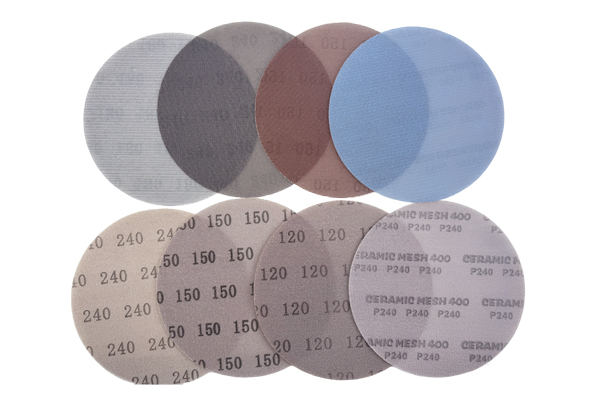
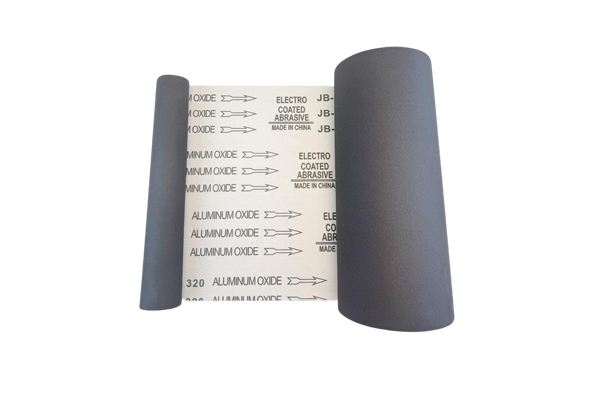
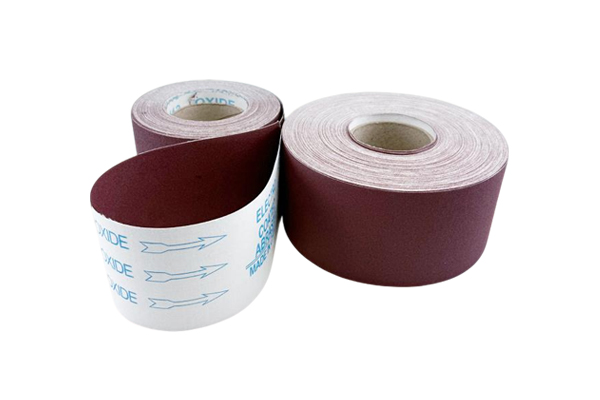
Types of Sandpaper:1. Aluminum Oxide Sandpaper:- Aluminum oxide sandpaper is one of the most commonly used types for metal surfaces. It offers versatility and durability, making it suitable for various metal types, including steel, aluminum, and brass.- This type of sandpaper is known for its long-lasting abrasive properties, enabling it to effectively remove rust, corrosion, and old paint layers from metal surfaces.- Aluminum oxide sandpaper comes in different grit sizes, ranging from coarse to fine, providing options for both rough material removal and smooth finishing.2. Silicon Carbide Sandpaper:- Silicon carbide sandpaper is another popular choice for metal surfaces, especially for harder metals such as stainless steel and titanium.- It is highly abrasive and maintains its sharpness even when used on tough metal surfaces, making it effective for aggressive material removal and shaping.- Silicon carbide sandpaper is also resistant to heat, making it suitable for applications where frictional heat is generated during sanding.3. Garnet Sandpaper:- Garnet sandpaper is preferred for softer metals like copper, bronze, and brass due to its softer abrasive particles.- While not as aggressive as aluminum oxide or silicon carbide, garnet sandpaper provides a smoother finish on metal surfaces without causing excessive scratching or gouging.- It is commonly used for intermediate sanding stages or for achieving a fine finish on metal surfaces.4. Emery Cloth:- Emery cloth is a type of sandpaper that features emery abrasive particles bonded to a flexible cloth backing.- It is often used for hand sanding applications on metal surfaces where flexibility and maneuverability are required.- Emery cloth is available in various grit sizes and is suitable for both dry and wet sanding operations.Grit Sizes:Understanding grit sizes is essential for achieving the desired surface finish when sanding metal. Grit refers to the number of abrasive particles per square inch on the sandpaper. Lower grit numbers indicate coarser abrasives, while higher grit numbers denote finer abrasives. Here are some common grit sizes and their applications:1. Coarse Grits (40-80):- Coarse grit sandpaper is used for rapid material removal, such as removing heavy rust, paint, or surface imperfections from metal surfaces.- It is ideal for initial rough sanding before progressing to finer grits.2. Medium Grits (100-150):- Medium grit sandpaper is suitable for smoothing out rough surfaces and removing moderate imperfections on metal.- It is often used for intermediate sanding stages to prepare the surface for finer grits.3. Fine Grits (180-240):- Fine-grit sandpaper is used for achieving a smooth surface finish and removing light scratches or blemishes from metal surfaces.- It is ideal for final finishing and preparation before painting or coating.4. Very Fine Grits (320-600+):- Very fine grit sandpaper is used for polishing and refining metal surfaces to a high gloss or mirror-like finish.- It is commonly used in conjunction with polishing compounds for achieving exceptional surface smoothness.Factors to Consider:When selecting sandpaper for metal surfaces, several factors should be taken into account to ensure optimal results:1. Metal Type: Consider the type of metal you are working with, as some metals may require specific types of sandpaper for optimal results. Harder metals may necessitate abrasive sandpapers like silicon carbide, while softer metals may benefit from gentler abrasives like garnet.2. Surface Condition: Assess the condition of the metal surface, including the presence of rust, paint, or corrosion. Coarser grits are suitable for removing heavy imperfections, while finer grits are preferred for achieving a smooth finish on prepped surfaces.3. Application: Determine the intended application for the metal surface, whether it’s painting, welding, or general surface finishing. Different applications may require varying levels of surface preparation and finish quality.4. Equipment: Consider the tools and equipment available for sanding, such as orbital sanders, sanding blocks, or hand sanding techniques. Choose sandpaper that is compatible with your sanding equipment for efficient and effective results.


 +86 18503711019
 Call
Call