


Flap wheels are versatile abrasive tools commonly used in metalworking, woodworking, and other industries. Their unique design, consisting of overlapping abrasive flaps mounted on a central hub, allows for efficient material removal and surface finishing. However, choosing the right diameter of a flap wheel is crucial to achieving optimal results in your specific application. In this article, we will explore the importance of flap wheel diameter, its impact on performance, and factors to consider when selecting the appropriate size.
Why Does Flap Wheel, Diameter Matter?
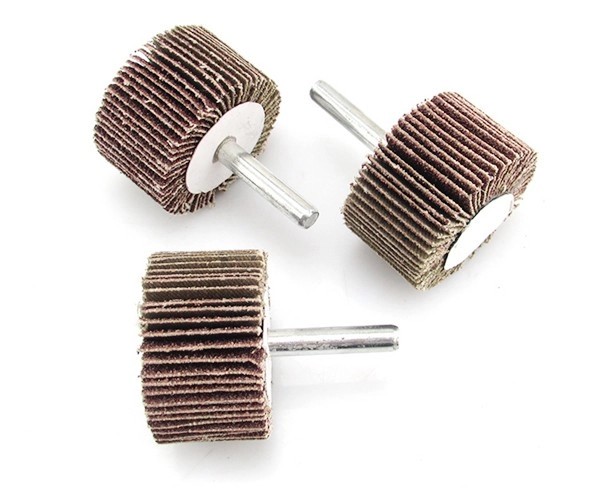
Flap wheel diameter plays a significant role in the performance and effectiveness of the tool. Here’s why it matters:
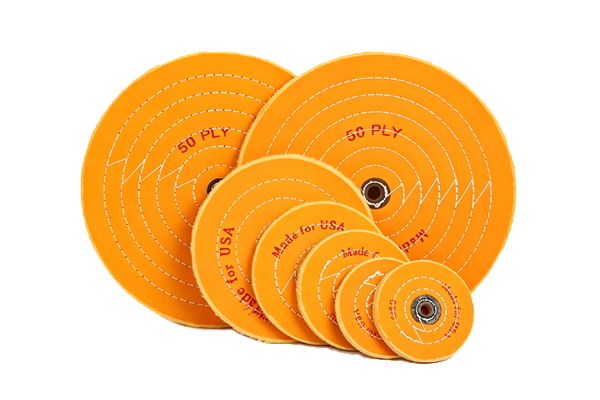
1. Surface Area Coverage: The diameter of a flap wheel directly affects the amount of surface area it can cover during operation. A larger diameter wheel will cover a larger surface area, making it suitable for applications that require quick material removal or working on larger workpieces. On the other hand, a smaller diameter wheel offers more precise control and is ideal for intricate or smaller areas.
2. Speed and Aggressiveness: The diameter of the flap wheel influences the rotational speed and aggressiveness of material removal. Larger-diameter wheels generally rotate at higher speeds, resulting in faster material removal. Smaller diameter wheels, with their reduced surface area coverage, tend to be less aggressive but offer more control and finesse in delicate applications.
3. Accessibility: Depending on the diameter, flap wheels can provide varying levels of accessibility to tight spaces or hard-to-reach areas. Smaller diameter wheels excel in reaching narrow or intricate contours, allowing for precise grinding or polishing in confined spaces.
Factors to Consider When Selecting Flap Wheel Diameter:
To determine the appropriate diameter of a flap wheel for your application, consider the following factors:
1. Application and Material: Evaluate the specific task and material you’ll be working with. For larger surface areas or heavier material removal, a larger diameter flap wheel would be more efficient. Conversely, smaller-diameter wheels are suitable for detailed work or working on smaller workpieces.
2. Workpiece Size: Consider the size of the workpiece and the surface area that needs to be treated. If you’re working on a large project, a larger diameter wheel will help cover more ground quickly. Smaller diameter wheels are preferable when precision is required or when working on smaller parts.
3. Grinder Compatibility: Ensure that the chosen flap wheel diameter is compatible with your grinder or tool. Most flap wheels are available in standard sizes, but it’s essential to verify compatibility before making a purchase.
The diameter of a flap wheel plays a vital role in determining its performance and suitability for various applications. Understanding the impact of diameter on surface area coverage, speed, aggressiveness, and accessibility is crucial for selecting the right size. Consider the specific application, material, workpiece size, and grinder compatibility when choosing the diameter of a flap wheel. By selecting the appropriate size, you can achieve efficient material removal, precise finishing, and optimal results in your metalworking, woodworking, or other related projects.


 +86 18503711019
 Call
Call