



When it comes to staining wood, sanding is an essential step to ensure a smooth and even finish. Choosing the right grit sandpaper before staining can make all the difference in achieving the desired result. In this article, we will explore what grit sandpaper to use before staining and why it matters.
What Grit Sandpaper Before Staining?
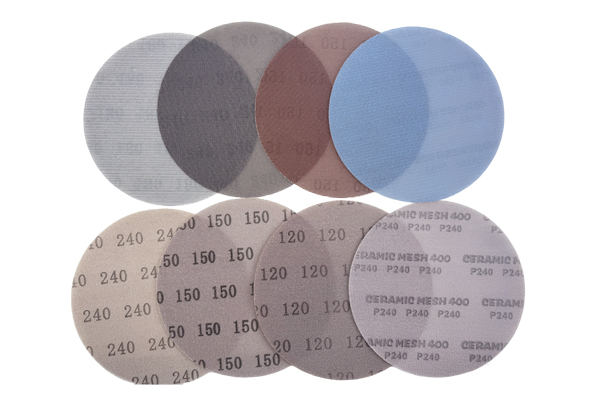
The grit of sandpaper to use before staining can vary depending on the type of wood and the condition of the surface. In general, its best to start with a coarse grit and work your way up to a finer grit. A common recommendation is to start with 120-grit sandpaper and then move on to 150-grit or 180-grit.
Starting with coarse grit sandpaper helps to remove any rough spots, unevenness, or imperfections in the wood surface. This is especially important if youre working with new wood or wood that has been roughed up during a previous project. The goal is to create a smooth surface that will take the stain evenly.
After sanding with the coarse grit sandpaper, move on to a finer grit to create a smooth finish that is ready for staining. The finer grits will help to remove any remaining roughness and prepare the wood for optimal stain absorption. Sanding with the finer grits will also remove any scratches left by the coarser grits, giving you a surface that is ready for finishing.
Why Grit Sandpaper Before Staining Matters?
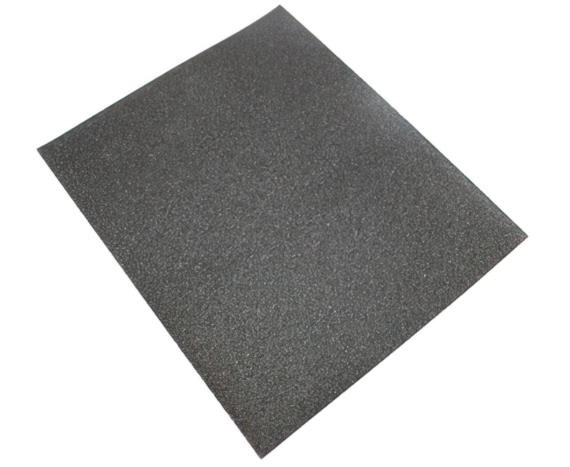
Using the right grit sandpaper before staining is important for several reasons. First, sanding helps to create a smooth surface that is free of any roughness or imperfections. This is essential for ensuring that the stain is applied evenly and absorbs uniformly. If the surface is uneven, the stain may appear splotchy or uneven in color.
Second, sanding helps to open the pores of the wood and remove any previous finishes or coatings that may interfere with stain absorption. This is particularly important if youre staining over an existing finish, such as a painted or varnished surface. Sanding helps to create a clean, fresh surface that is ready for staining.
Finally, sanding with the right grit sandpaper can help to enhance the natural beauty of the wood. Sanding helps to remove any dirt or debris that may have accumulated on the surface and reveal the natural wood grain. This creates a beautiful finish that showcases the woods unique character.
In conclusion, when it comes to staining wood, sanding with the right grit sandpaper is crucial to achieving a smooth and even finish. Starting with a coarse grit and working your way up to a finer grit can help to remove any imperfections, prepare the wood for optimal stain absorption, and enhance the natural beauty of the wood. So, what grit sandpaper before staining? Generally, 120-grit followed by 150-grit or 180-grit should do the trick.



 +86 18503711019
 Call
Call