


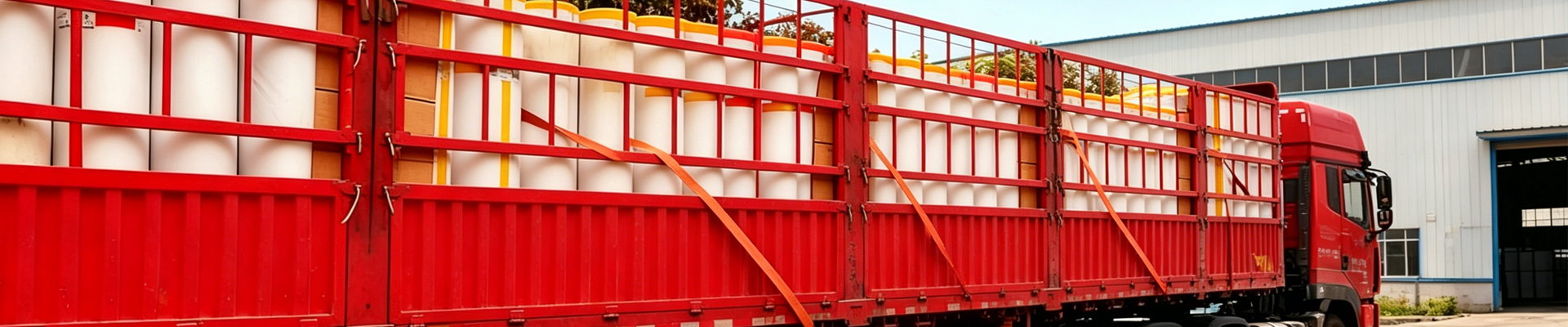
Scouring sponges are widely recognized as durable, multi-purpose cleaning pads designed for tasks like scrubbing, polishing, and preparing surfaces. While their primary use involves eliminating grime, oxidation, and built-up residues, many people question whether these abrasive tools can also strip away paint effectively.
Understanding Scouring Sponge Abrasive PadsMaterial and Construction:Scouring sponges consist of synthetic fibers, such as nylon or polyester, woven together and reinforced with gritty minerals like aluminum oxide or silicon carbide.Their porous, mesh-like structure ensures flexibility while maintaining an aggressive yet controlled abrasive action, making them ideal for various refinishing and cleaning applications.Abrasive Intensity and Varieties:These sponges come in different coarseness levels, measured by grit ratings, to suit varying surface needs.Lower-grit versions (rougher texture) excel at stripping away stubborn coatings, while higher-grit options (smoother texture) are better for polishing and fine detailing.Can Scouring Sponges Effectively Strip Paint?Light Paint Residue and Surface Contaminants:Scouring sponges work well on minor paint splatters, overspray, or thin layers of deteriorated paint, especially on non-porous materials like metal or plastic.When combined with water or a gentle cleaning solution, they can lift superficial paint deposits without excessive scrubbing.Surface Preparation for Repainting:These pads are commonly employed to roughen up surfaces before applying new paint, ensuring better adhesion.While they can strip away loose or flaking paint, they may struggle with thick, well-bonded coatings, particularly on rough or absorbent substrates.Limitations in Paint Removal:Thick or Multiple Paint Layers: Heavy-duty paint removal may require more aggressive tools, such as chemical strippers or sanders, as scouring sponges might not efficiently break down dense coatings.Porous or Textured Surfaces: Materials like wood or concrete can trap paint deep within their fibers, making complete removal with a scouring sponge difficult.Labor-Intensive Process: Large-scale paint stripping with these pads can be time-consuming and physically demanding compared to power tools or chemical alternatives.Optimal Techniques for Paint Removal Using Scouring SpongesTest First:Always perform a spot test in an inconspicuous area to gauge effectiveness and ensure the sponge doesn’t damage the underlying material.Clean the Surface:Remove dirt, grease, and loose debris beforehand to prevent unnecessary abrasion and achieve smoother paint removal.Use Lubrication:Applying water, soapy water, or a specialized paint-softening solution can reduce friction, making the scrubbing process more efficient.Apply Proper Pressure:Avoid excessive force, which can scratch or gouge the surface. Instead, use moderate, consistent strokes to gradually wear away the paint.Rinse and Inspect:After scrubbing, rinse the area to clear away paint particles and abrasive remnants. Repeat the process if necessary for stubborn spots.While scouring sponges are not the most powerful option for heavy-duty paint stripping, they serve as a practical solution for light paint removal, surface prep, and touch-up work. Their versatility makes them a handy tool for small projects, but tougher jobs may require stronger methods. By following proper techniques and understanding their limitations, users can maximize their effectiveness without compromising the integrity of the surface
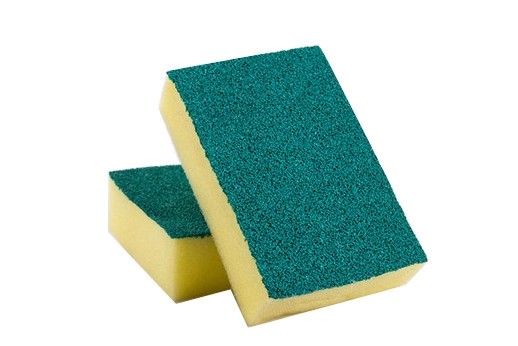
Scouring Sponge for Household use
Kamel Abrasives WhatsApp: +86 185 0371 1019 / +86 156 3977 2803 Email:sales@kamel.com.cn


 +86 18503711019
 Call
Call