



Sanding blocks are popular products for woodworking, automotive , construction, and DIY that are used to smooth, shape, and finish a range of wooden surfaces. While they do have a very basic design idea, sanding sponge blocks have a very important in giving the required results and provide consistent results on large surfaces.
Understanding Sanding Blocks:How they are made
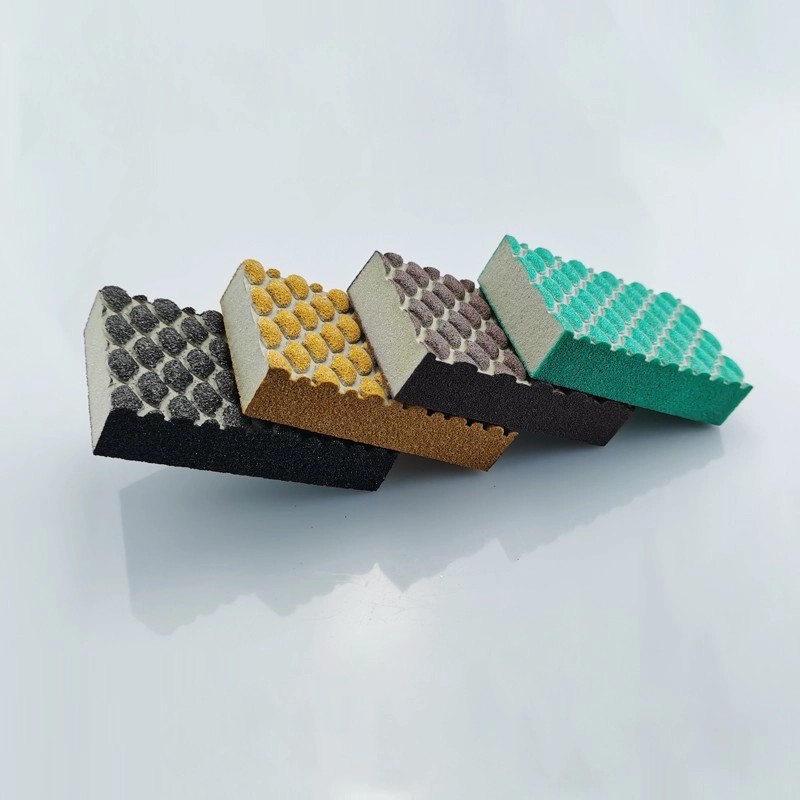
Sanding blocks are usually a rectangle shape product which is usually made from either wood, plastic, rubber, sponge or foam, they have a flat or shaped surface to attach sandpaper.
Sandpaper is attached to the block in a couple of ways, one option is by using an adhesive or resin another option is using some type of clamp,this gives a stable platform for sanding which allows pressure to be applied evenly across the product surface.
Types of Sanding Blocks:Flat Sanding Blocks: These blocks feature a flat surface for sanding large, flat areas such as tabletops, panels, and doors.Contoured Sanding Blocks: Contoured blocks have a curved or irregularly shaped surface designed to conform to curved or uneven surfaces, allowing for more precise sanding of contours and profiles.Different Types of Sanding Blocks:
Flat Sanding Blocks: These products as the name suggests are made flat and level so they can be use for smoothing, flat work pieces like tabletops, wood panels, walls and doors.
Contoured Sanding Blocks: Contoured blocks feature a rounded or intricately shaped surfaces which can be used on curved or uneven surfaces, enabling more accurate sanding of work pieces which have ornate shapes
How Sanding Blocks Work:Consistent and Even Pressure:
The main reason sanding blocks are so popular is that they allow the user to apply pressure evenly across the surface they are sanding, giving a consistent and stable material removal and giving an even wear on the sandpaper being used.
The rigid design of the sanding block gives the user a stable work platform and reducing the risk of accidental gouging or over-sanding.Reduction of Hand Fatigue:
Sanding blocks give the user a comfortable grip and the products larger surface area for hand placement means that sanding block can help limit hand tiredness during longer sanding projects.
Some sanding blocks are designed to minimize discomfort by including shaped grips or padded handles to add comfort and control for the user.
Greater Control and Accuracy:
Sanding blocks give better control and accuracy when compared to only hand sanding, this gives users the ability to produce smooth, consistent surfaces while expending less effort.
Shaped sanding blocks are incredibility helpful for sanding curved or ornate surfaces, because they can change their shape to mimic the workpiece while also still applying the consistent pressure required
Advantages of Using Sanding Blocks:Steady and Reproducible Results:
Sanding blocks are able to produce steady material removal as well as consistent and reproducible surface finishes, this helps in providing constant, uniform finishes along the entirety of the workpiece.
The stiff design of sanding blocks assists in giving even sanding result and a high quality finish.More time effective and improved health and safety:
By providing more effective material removal and decreasing the amount of manual effort required, sanding blocks can give a lower time per workpiece outcome leading on to reduced labour costs, especially when being used on large surfaces.
Using sanding blocks instead of hand sanding can also hugely decrease the issue of hand cramp and/or repetitive strain injuries that can be caused by extended periods of hand sanding. Versatility:
Sanding blocks are versatile tools can be used in a range of different ways, sanding down wood is its most common usage, while it also finds use in the preparation of surfaces before the surface is painted or stained.
If the correct abrasive grit is chosen on a sanding block, an end result can be produced that can give the required surface textures or finishes on a range of different projects.
Considerations when using Sanding Blocks:
Choose the Right Grit:
Choose the sanding block with the required abrasive grit that the project requires, the user will also to need think about what material needs to be sanded and the required level of surface sanding that is needed.Maintain an even sanding pressure:
Make sure to apply sustained and steady pressure when sanding with a sanding block so that there is a consistent and constant material removal and the surface finish is to the level required.
Change the sanding block as needed:
Swap out the sanding block when it is worn, damaged or is clogged with material as needed so that the product performance is not effected while also preventing the possibility of damaging the workpiece.
Sand with the Grain:
It is always recommended that users should sand wood surfaces, with or towards the existing grain. this is to stop the wood scratching and give a better finishing result.
Sand in Stages:
For the best results, the sanding should be done ins a step by step process, first with the rougher grit number sandpaper to sand off the excess material and then swap with the more and more smoother grits as required.





 +86 18503711019
 Call
Call