


Sandpaper is a fundamental tool in various industries and DIY projects, valued for its ability to smooth, shape, and finish surfaces with precision. One of the critical components of sandpaper is its abrasive grit, which determines its cutting efficiency, surface finish, and suitability for different materials.
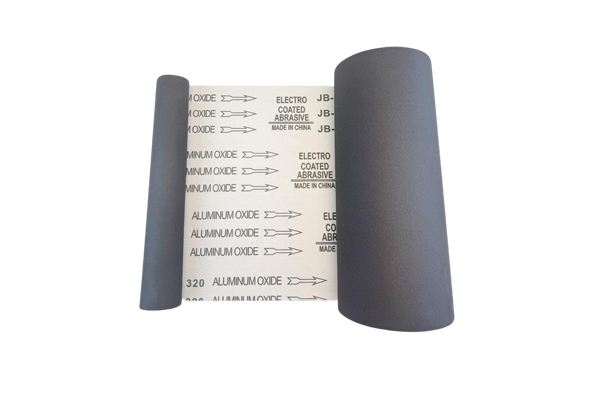
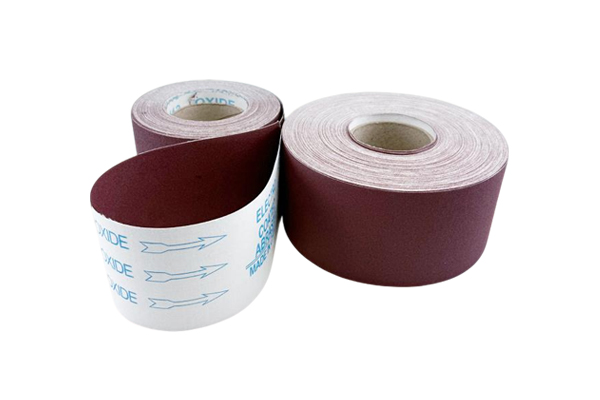
Understanding Abrasive Grit in Sandpaper:1. What is Grit?- Grit refers to the size of abrasive particles embedded in the sandpaper. These particles, typically made of materials like aluminum oxide, silicon carbide, garnet, or diamond, are bonded to a backing material to create an abrasive surface. The size of these particles dictates the cutting efficiency and surface finish achieved during sanding.2. Types of Grit:- The two main types of grit used in sandpaper are:1. Aluminum Oxide2. Silicon CarbideExploring Aluminum Oxide Grit:1. Characteristics:- Aluminum oxide is a widely used abrasive material known for its toughness, versatility, and affordability. It is derived from bauxite ore and processed into various forms for industrial and commercial applications.- Aluminum oxide grit is available in a range of colors, including brown, reddish-brown, and white, depending on the purity and processing methods. It is characterized by its hardness, durability, and sharp cutting edges.2. Applications:- Aluminum oxide sandpaper is suitable for sanding a wide variety of materials, including wood, metal, plastic, and painted surfaces. It is commonly used in woodworking, carpentry, furniture refinishing, and automotive applications.- Aluminum oxide sandpaper is ideal for dry sanding applications, providing consistent cutting performance and minimal clogging when sanding dry surfaces. It is effective for removing surface imperfections, leveling uneven surfaces, and preparing surfaces for painting or finishing.3. Advantages:- Versatility: Aluminum oxide sandpaper is suitable for sanding a broad range of materials and surfaces, making it a versatile choice for various sanding tasks.- Affordability: Aluminum oxide sandpaper is cost-effective compared to other abrasive materials, making it an economical option for budget-conscious users.- Longevity: Aluminum oxide grit is durable and long-lasting, providing consistent cutting performance over extended use. It is less prone to breakdown or wear compared to softer abrasives, ensuring prolonged usability.Exploring Silicon Carbide Grit:1. Characteristics:- Silicon carbide is a synthetic abrasive material renowned for its hardness, sharpness, and heat resistance. It is composed of silicon and carbon atoms in a crystalline structure, imparting superior cutting properties to the abrasive particles.- Silicon carbide grit is typically dark gray to black in color and is available in various grit sizes, ranging from coarse to fine.2. Applications:- Silicon carbide sandpaper is well-suited for sanding hard materials such as metal, glass, ceramics, and stone. It finds applications in automotive refinishing, metalworking, woodworking, and construction industries where aggressive material removal and precise sanding are required.- Silicon carbide sandpaper is also suitable for wet sanding applications, maintaining its cutting efficiency and structural integrity when exposed to water or lubricants.3. Advantages:- Excellent Cutting Efficiency: Silicon carbide grit boasts sharp cutting edges, providing exceptional material removal rates and surface refinement. It excels in tasks requiring rapid material removal and precise shaping.- Heat Resistance: Silicon carbide sandpaper can withstand high temperatures generated during sanding, making it suitable for use on hard materials prone to generating heat during sanding operations.- Versatility: Silicon carbide sandpaper can be employed in both dry and wet sanding applications, offering flexibility and versatility across a wide range of sanding tasks and material types.Selecting the Right Grit for Sanding Tasks:1. Coarse Grits (Low Grit Numbers):- Coarse grit sandpaper, typically ranging from 40 to 100 grit, is utilized for aggressive material removal and shaping tasks. It is suitable for rough sanding of rough surfaces, removing paint, varnish, rust, and surface imperfections.2. Medium Grits (Medium Grit Numbers):- Medium grit sandpaper, ranging from 120 to 180 grit, is employed for intermediate sanding and surface preparation. It smooths out rough surfaces, removes scratches, and prepares surfaces for final finishing or coating.3. Fine Grits (High Grit Numbers):- Fine grit sandpaper, typically ranging from 220 to 400 grit, is utilized for fine sanding, finishing, and polishing tasks. It produces smooth, polished surfaces with minimal scratches or imperfections, ideal for achieving high-quality finishes on woodworking and metalworking projects.


 +86 18503711019
 Call
Call