


Aluminum wheels can dramatically improve a vehicle’s appearance, but over time, they may suffer from scuffs, oxidation, or minor damage that dulls their shine. Restoring these wheels requires careful sanding to remove imperfections and create a flawless surface. Choosing the correct sandpaper grit is critical for achieving a smooth, mirror-like finish. Below, we’ll explore the ideal grit progression for refinishing aluminum wheels, ensuring professional-quality results.
Understanding Sandpaper Grit
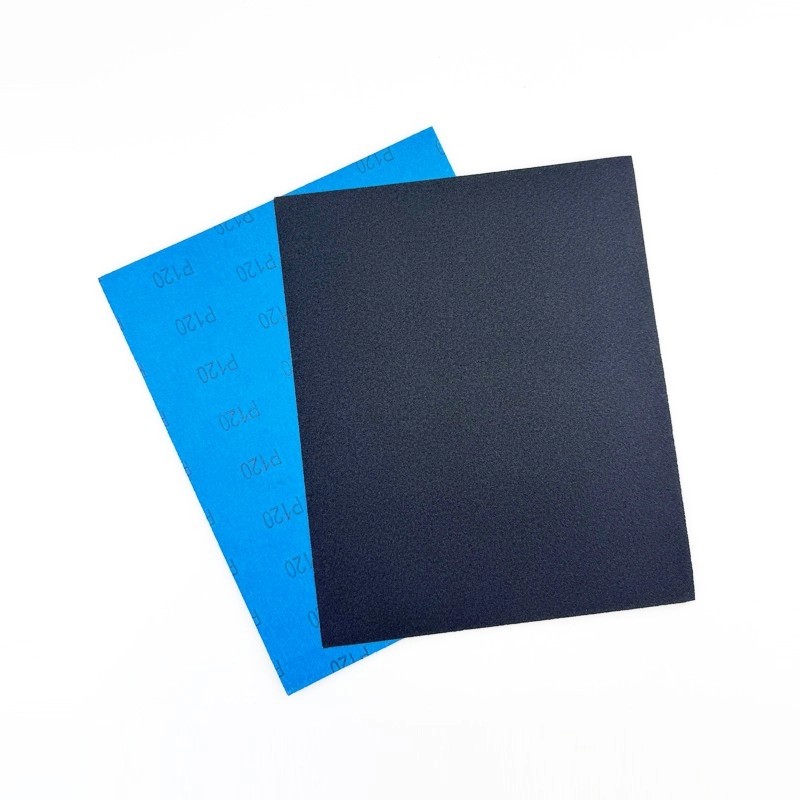
Sandpaper is categorized by grit size, which refers to the number of abrasive particles per square inch. Lower grit numbers (such as 60 or 80) indicate a rough texture, ideal for stripping away deep scratches or old coatings. Higher grit numbers (like 400 or 600) produce a finer finish, perfect for polishing. Selecting the right grit sequence ensures efficient material removal while preventing unnecessary damage to the aluminum.
Step-by-Step Grit Selection for Aluminum Wheels
Deep Scratch and Damage Removal – Coarse Grit (80 to 120)
Begin with coarse-grit sandpaper (80 to 120 grit) to eliminate deep scratches, curb marks, or peeling clear coat. This aggressive sanding strips away imperfections, creating a uniform base for further refinishing. A dual-action sander or hand-sanding block can help maintain even pressure, preventing uneven surfaces.
Smoothing the Surface – Medium Grit (150 to 220)
After the initial sanding, switch to a medium grit (150 to 220) to refine the wheel’s texture. This step removes any remaining roughness left by the coarse grit while preparing the metal for a polished finish. Sand in consistent, overlapping motions to avoid visible sanding marks.
Final Polishing – Fine Grit (320 to 600+)
For a sleek, professional-grade finish, use fine-grit sandpaper (320 to 600 or higher). This stage smooths out micro-scratches and prepares the wheel for painting, polishing, or clear-coating. If aiming for a mirror-like shine, wet sanding with 1000+ grit sandpaper followed by metal polish can enhance the results.
Expert Tips for Optimal Results
Wet Sanding for a Flawless Finish
Wet sanding (using water or a lubricant) minimizes dust buildup and prevents sandpaper clogging, especially with finer grits. It also reduces friction, allowing for smoother strokes and a more refined surface.
Progressive Grit Transition
Never skip grit levels (e.g., jumping from 120 to 400), as this can leave deep scratches that are difficult to remove. Gradually increasing grit ensures a seamless transition from rough to smooth.
Proper Cleaning Between Stages
After each sanding phase, thoroughly clean the wheel to remove aluminum dust and debris. Residual particles can interfere with adhesion if applying paint or sealant later.
Safety Precautions
Wear protective gear, including gloves, a respirator, and safety glasses, to shield against metal dust and abrasive particles.
Conclusion
Refinishing aluminum wheels demands precision and the right abrasive materials. Starting with coarse grit to eliminate damage, transitioning to medium grit for smoothing, and finishing with fine grit for polishing ensures a showroom-worthy result. By following these steps and employing proper techniques—such as wet sanding and gradual grit progression—you can restore your wheels to their original brilliance. Whether preparing for a fresh coat of paint or a high-gloss polish, the correct sandpaper selection is the key to long-lasting, stunning aluminum wheels.
Kamel Abrasives WhatsApp: +86 185 0371 1019 / +86 156 3977 2803 Email:sales@kamel.com.cn


 +86 18503711019
 Call
Call