



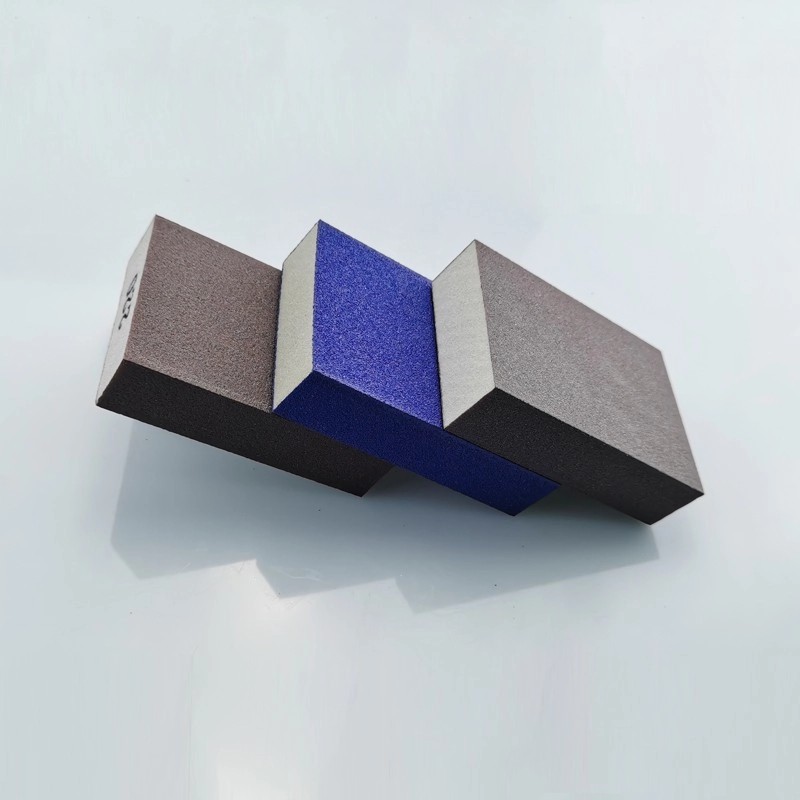
Sanding sponges are adaptable piece of equipment that can tackle a variety of sanding jobs, from eliminating jagged edges to refining surfaces before painting or staining. A common query when using a sanding sponge is whether to employ it wet or dry. In this article, we’ll examine the advantages and disadvantages of each method to assist you in deciding the most effective approach for your upcoming sanding project.
Using a Dry Sanding SpongeWhen utilizing a sanding sponge in its dry state, you simply apply it without introducing any water or other lubricants to the surface being sanded. The sponge typically features a moderately abrasive texture, enabling it to strip material from the surface as you move it back and forth. Dry sanding is particularly suitable for scenarios where substantial material removal is needed swiftly or when moisture should be avoided on the surface being treated.Advantages of Dry Sanding with a Sanding SpongeOne of the primary advantages of dry sanding with a sanding sponge is its simplicity and efficiency. You can easily pick up the sponge and begin sanding without any extensive setup. Moreover, dry sanding enables you to remove material rapidly, which is particularly beneficial when smoothing rough edges or eliminating excess material prior to painting or staining.Disadvantages of Dry Sanding with a Sanding SpongeA notable disadvantage of dry sanding with a sanding sponge is the significant amount of dust it can produce, which may be hazardous if inhaled. It’s crucial to wear a dust mask or respirator to safeguard your respiratory health during the process. Additionally, dry sanding can create considerable heat, potentially harming the surface being worked on if caution is not exercised. It’s essential to keep the sponge in motion and avoid applying excessive pressure in any single area.Using a Wet Sanding SpongeWhen utilizing a wet sanding sponge, apply water or another type of lubricant to the workpiece that you wish to sand. This technique helps minimize dust and prevents the sponge from overheating from friction, which can harm the work surface. Wet sanding is particularly useful for jobs that require greater care or precision, such as when working on a fragile piece of furniture or preparing a surface for painting.Advantages of Wet Sanding with a Sanding SpongeOne significant advantage of wet sanding is that it produces considerably less dust compared to dry sanding. This makes it a safer and more pleasant option, as there’s no need for a dust mask or respirator. Furthermore, wet sanding helps to keep the sponge cool, potentially prolonging its lifespan and enhancing its effectiveness in material removal.Disadvantages of Wet Sanding with a Sanding SpongeA potential downside of wet sanding with a sanding sponge is that it can be a more cumbersome process. It requires having a source of water or other lubricant product on hand and its easy for clothes and other equipment to get wet while using the technique. Additionally, wet sanding is a longer process than dry sanding, as the layer of lubricant can sometimes slow down the material removal from the workpiece. Lastly, wet sanding might not be appropriate for all surfaces, as it could lead to damage or discoloration if not done carefully.ConclusionIn summary, the choice between using a sanding sponge wet or dry is contingent upon the particular requirements of your project. Dry sanding is best suited for instances where rapid material removal is essential, whereas wet sanding is more appropriate for careful or intricate sanding tasks. Regardless of the method you choose, it’s important to utilize appropriate safety gear and adhere to best practices for sanding to achieve optimal results.



 +86 18503711019
 Call
Call