



In the furniture coating sector, sanding is vital for producing exceptional finishes. Below we will look into the three primary purposes of sanding in furniture coating and highlights the importance of choosing the right sandpaper for the best outcomes.
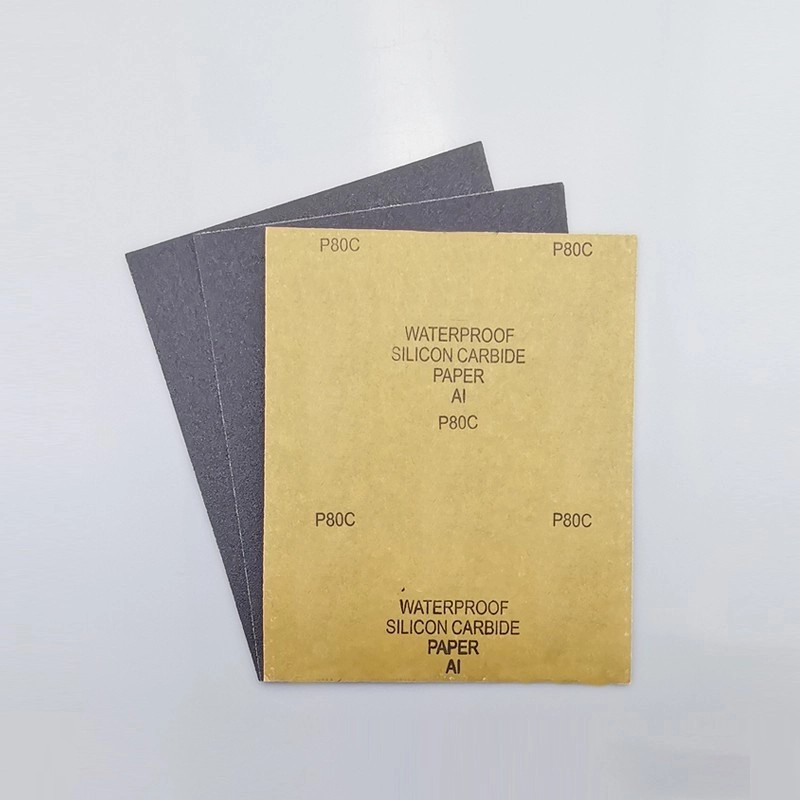
The Three Roles of Sanding in Furniture Coating:Surface Preparation:Sanding is incredibly important to prepare the substrate by eliminating burrs, grease, dust, and other contaminants from the workpiece. It ensures a pristine and smooth foundation for the subsequent layers of coating.Surface Refinement:Following the scraping process, the surface often appears coarse and uneven. Sanding serves to refine the surface, reducing imperfections and enhancing the overall texture. This step significantly improves the final aesthetic of the furniture.Boosting Coating Adhesion:Prior to applying a new layer of paint, it is essential to sand the cured old paint. A surface that is overly smooth may exhibit poor adhesion characteristics. Sanding promotes mechanical bonding of the coating by creating a slightly textured surface, facilitating better paint adherence.Types of Sanding TechniquesIn the furniture coating process, three prevalent sanding techniques are commonly employed:Dry Sanding:Dry sanding utilizes sandpaper for abrasion. This technique is ideal for rigid and brittle paint finishes. However, a notable drawback is the considerable amount of dust produced during the process, which can affect the cleanliness of the workspace.Wet Sanding:Wet sanding employs damp sandpaper either immersed in water or another type of lubricant. This method minimizes scratches, enhances the smoothness of the finish, and conserves both sandpaper and labor. After wet sanding, it is essential to ensure that the surface is thoroughly dry before applying the next coat of paint, as moisture can cause the paint to appear milky. Furthermore, substrates that absorb water excessively are unsuitable for wet sanding.Mechanical Sanding:For extensive projects requiring greater efficiency, mechanical sanding techniques, such as electric sanders (disk or orbital), can be utilized.Light SandingIn certain coating scenarios referred to as “light sanding,” such as re-coating sealed finishes or doing small spot repairs, a higher grain sandpaper is recommended. These projects need a gentler approach and should be carried out by experienced tradespeople to ensure the best outcomes.Choosing Sandpaper GrainTo get the desired sanding quality, selecting the right sandpaper grit is essential. The table below lists the sandpaper grain number range that are typically suggested for use on different workpieces during the paint coating stage:For solid wood primer: 180#-240# grainVeneer or initial coat: 220#-240# grainSmooth primer: 320#-400# grainFinal sanding of topcoat: 600#-800# grainPolishing and final sanding of the finished workHow to get Best Results When Using a Manual Sanding TechniqueWhen sanding by hand, it is advisable to separate a full sized sheet of sandpaper into four sections. Fold each section in half and grasp both ends with your thumb and little finger. Use your remaining fingers to maintain the sandpaper’s flatness while sanding the surface in a back-and-forth motion. Adjust your finger positioning and take advantage of your hand’s flexibility to effectively sand concave, convex, and sharp edges.Sanding is an essential component of the furniture coating process, ensuring proper surface preparation, refinement, and improved coating adhesion. The choice of the right sandpaper, combined with the selected sanding method, significantly affects the overall quality of the furniture finish. Dry sanding is effective for rigid and brittle coatings but produces considerable dust, while wet sanding minimizes scratches and enhances smoothness, though it requires complete drying. Mechanical sanding is optimal for larger projects, promoting greater efficiency.



 +86 18503711019
 Call
Call