


Overview of Mechanical Wire Brushing Techniques
Mechanical wire brushing is an well known and popular surface finishing technique employed in various sectors. This method involves crafting linear lines onto the surface of a product being worked on. Below we will discuss the distinct types of brushing that can be used, the benefits, and drawbacks and any other information needed for using each approach.
Flat Press Sand Belt Brushing
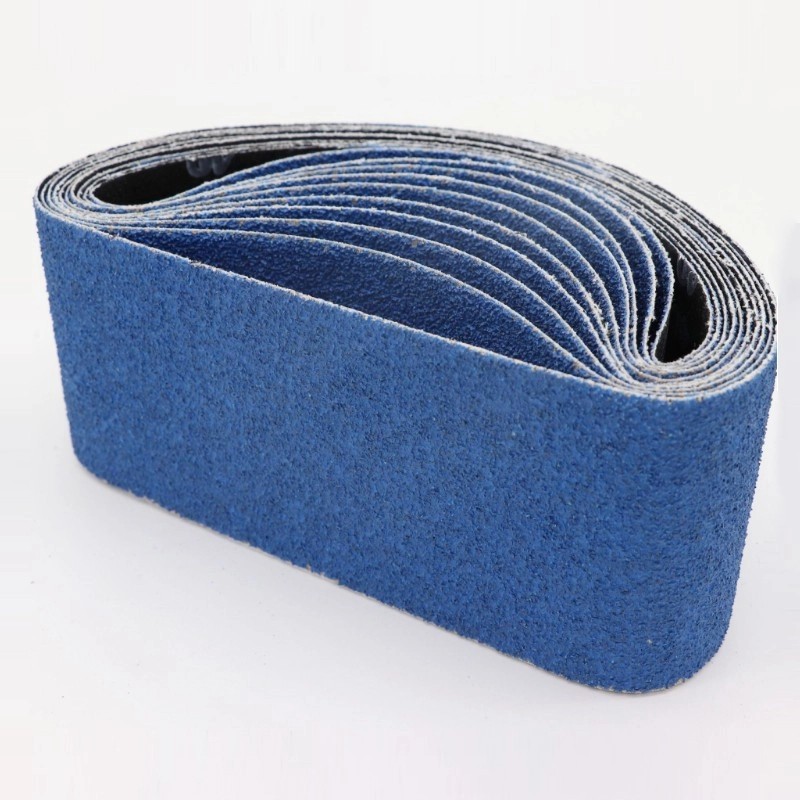
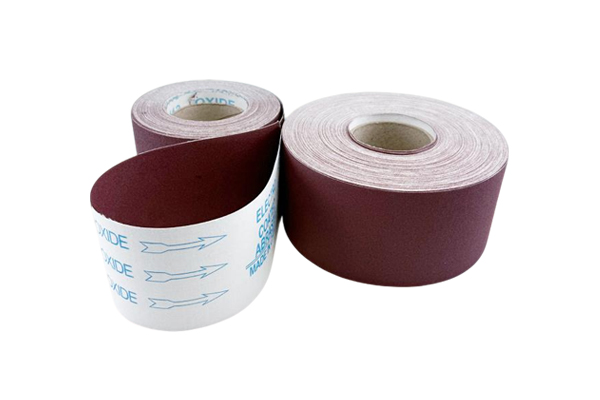
Flat press brushing is a commonly utilized technique that has the workpiece securely anchored onto a mold. A high-velocity rotating sanding belt, fitted with an air compressor block at its rear, is used to apply friction against the surface of the workpiece, producing the desired brushing effect. This method is particularly effective for small, flat surfaces, making it well-suited for projects such as the surface treatment of digital camera housings and mobile phone casings. The resulting pattern is typically consistent and linear. However, due to the heat generated during the process, this process works the most successfully on a limited surface area to prevent distortion, especially in pieces with thin walls.
Non-Woven Roller Brush Brushing
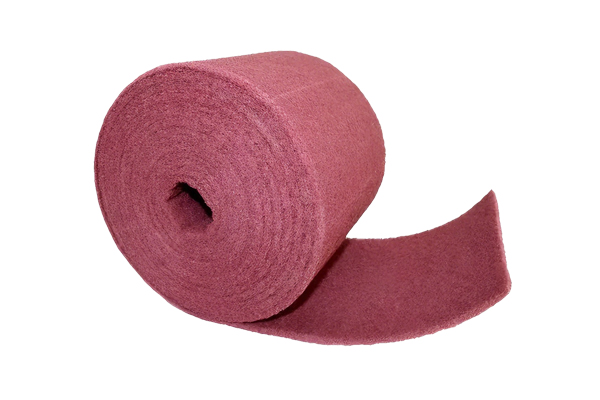
This process requires moving the workpiece through a non-woven roller brush, which rotates at high velocity to create the wire-brushing effect. The brush can either oscillate or remain fixed during the process, resulting in varying lengths of brushed patterns. This process is becoming more utilized in areas like notebook production for the alloy panels and keyboard plates, as well as for phone frames, battery covers and camera protection plates.
The benefits of this method include:
Ideal for big surfaces as it doesn’t produce large amounts of heat due to the way it contacts the piece in a line.
Accommodates curved surfaces and minor protrusions like text-markings thanks to the remarkable adaptability of the non-woven roller brush.
Facilitates uninterrupted operation, boosting production efficiency.
Can give two different brushing effects (continuous and intermittent patterns) with a single brush. The resulting designs possess a unique visual appeal.
Wide Sand Belt Brushing
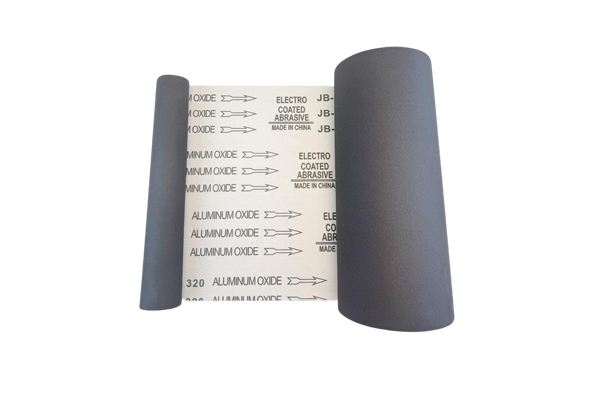
This conventional technique is designed for flat surface wire brushing and is particularly effective for sheet metal processing. In this procedure, the workpiece is moved through a high-speed rotating sand belt. This process is frequently employed to produce wire-drawn semi-finished workpieces from materials like stainless steel and aluminum alloys, which are subsequently used in items such as elevator doors and counters. The end result is generally delicate and thin, looking something close to a delicate snowflake design.
Center-less Grinding Brushing
This approach uses center-less grinding to accomplish brushing effect . The brushing wheels or sanding belts are utilized in this process. It is ideal for rounded products like handles or grips. The resulting wire pattern is thin and the length influenced by the speed of the sanding belt such as rotational speeds.
Mechanical wire brushing techniques provide adaptable options for achieving required surface finishes. Each method has its distinct pluses and usages, addressing a range of industries and workpiece needs. Understanding these techniques enables an informed choice based on each individual project’s requirements, ensuring superior outcomes.


 +86 18503711019
 Call
Call