


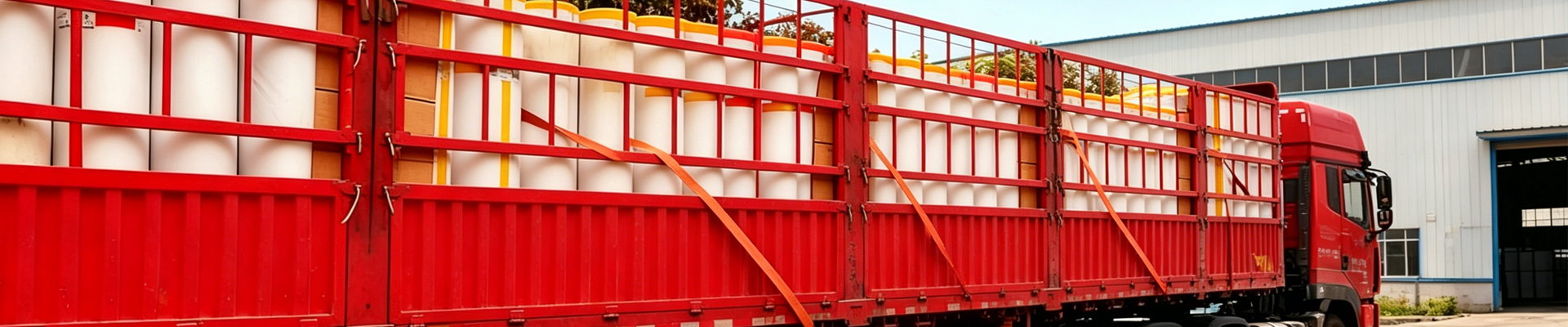
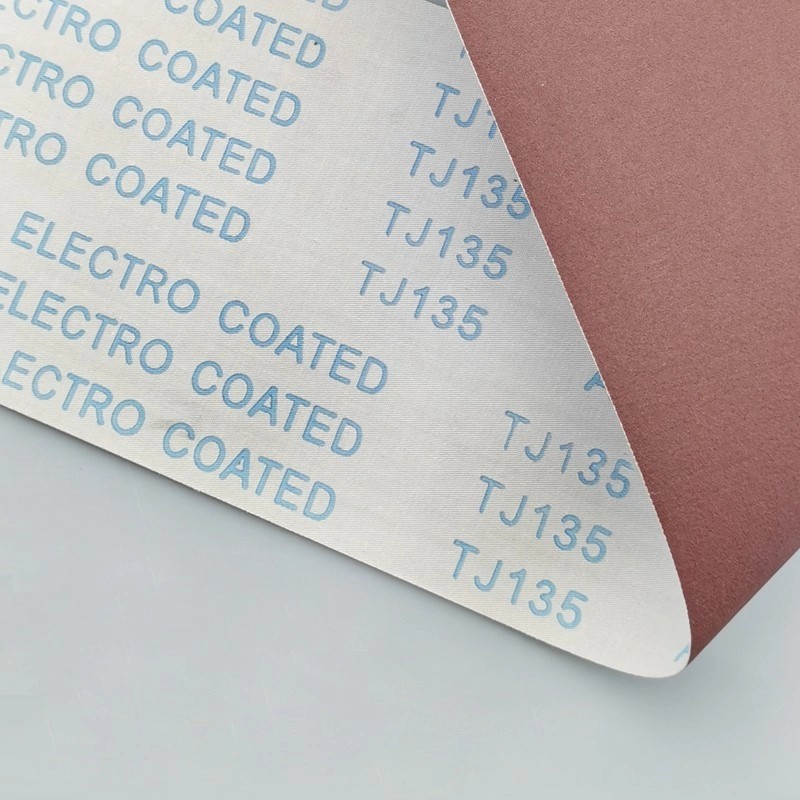
Coated abrasives, including abrasive belts, are important tools in a range of industries for a large amount of grinding, smoothing, sanding and polishing tasks. The effectiveness and durability of coated abrasives largely depend on their raw materials. These materials act as supports for the abrasive particles and bonding agents while also providing other important attributes of the abrasive, such as the rigidness of the abrasive product. Consequently, the selection of the raw materials plays a significant role in determining the machining properties and lifespan of coated abrasives.
Types and Applications of SubstratesThere are a few different types of coated abrasive substrates, each designed to meet specific requirements based on their flexibility, durability, and material removal needs. The primary types include paper, film, cloth, vulcanized fiber, polyester fiber, and composite substrates.Paper and Film Substrates:Paper has a longstanding reputation as a substrate and is extensively utilized due to its affordability and smooth finish. It is suitable for applications where a finer surface texture is desired. However, paper substrates exhibit relatively less strength and resilience when compared to the other options. Film substrates, although less commonly used, are targeted for use in precision grinding and sanding tasks because of its water resistance and high accuracy capabilities.Cloth Substrates:Cloth substrates are produced from either cotton or synthetic fibers, infused with high-performance polymers to bolster their strength. They are categorized different weights of cloth the most common being, light-duty cloth (J-weight), heavy-duty cloth (X-weight) and super heavy (Y-Weight). The heavy-duty cloth is more robust and frequently used for grinding in machine tools and rough machining applications. Other types of cloth, such as YY-weight and S-weight, are also available for more specialist grinding needs.Vulcanized Fiber Substrates:Vulcanized fiber substrates are produced by layering vulcanized fiber sheets. This material, made with chemically treated cotton fabric, exhibits remarkable durability and resilience while remaining unaffected by coolants. These substrates are utilized in the production of grinding wheels and polishing discs.Polyester Fiber Substrates:Polyester materials present a variety of benefits, including moisture resistance, making them suitable for dry grinding, lubricated grinding, and wet grinding applications. Polyester fiber substrates boast superior tensile, shear, and tear strengths compared to cotton fabric, rendering them perfect for demanding grinding tasks and capable of transmitting over 100 kW of power.Composite Substrates:Composite substrates are formed by layering two or more distinct substances. For instance, composites that integrate cotton fabric or paper with polyester fiber deliver improved stability and flexibility, allowing them to be employed in a wide range of projects.Weaving Methods for SubstratesInnovations in substrate development are evident not only in material enhancements but also in weaving processes. These weaving techniques play a crucial role in determining the characteristics of the substrate. In the past fabrics were woven to a specific design. However, the advent of the “E-system” (also referred to as “laminated weaving”) transformed coated abrasive substrates. The “E-system” process features perpendicular intersecting filaments intertwined at their junctions with additional fine wires, coated with synthetic resin to improve tensile strength and thermal resistance. This distinctive structure mitigates the drawbacks of conventional woven fabrics, such as hinges, tensile stress, and loose filaments, and gives a final result that has exceptional tensile, with fracture, shear, and deformation resistance. The “E-system” substrates are extensively utilized in the manufacture of high-quality coated abrasives.Mechanical Flexing for Substrate FlexibilityCoated abrasives are recognized for their ability to be flexible during use, and this characteristic primarily stems from the substrates. During production, coated abrasives typically possess relatively rigid composite structures that must be modified into pliable products. This transformation is accomplished by wrapping the abrasive belt around a small-radius wheel at a low speed, causing the outermost layer to flex and crack. This technique transfers the substrate’s pliability to the entire abrasive, a method referred to as mechanical flexing. Although flexing may marginally diminish the abrasive’s lifespan, it significantly enhances its capacity to achieve the desired precision and minimal surface roughness during machining. Furthermore, flexing helps to prevent uneven breakage or other detrimental effects when passing through narrow contact wheels.Common Specifications and Connections for Coated Abrasive BeltsCoated abrasive belts come in a range of widths, these widths are usually dictated by what the substrate is made with. The widths are usually classified into narrow, medium, heavy-duty, and wide belts, each designed for different machining applications. Narrow belts, measuring between 10mm and 40mm, are employed on the intricate areas of equipment such as medical instruments, and compact handheld tools. Medium-width belts, ranging from 50mm to 100mm, are ideal for handheld grinding and machines with tensioning mechanisms. They are commonly used for more aggressive grinding. Heavy-duty grinding belts, measuring between 100mm to 300mm, require specialized fixtures for precise workpiece positioning and clamping, making them suitable for intensive grinding tasks. Wide belts, that are over 300mm in width, are for processing large, flat surfaces and typically need high tech grinding equipment.For the belt connections themselves, they are also designed to fulfill specific substrate requirements. Types of connections include butt joints, where the ends of the abrasive belt are aligned and bonded using adhesive. Overlapping joints are where the ends of the belt overlaps and are then sealed together with a bonding glue, providing increased strength and longevity. In the case of overlapping joints, the thickness needs to be carefully designed to reduce any detrimental effects on machining performance.In recent years, as the demand for accurate and high-performance machining has grown, coated abrasive substrates have evolved towards enhanced strength, abrasion resistance, prolonged durability, minimal elongation, seamless structures, and exceptional precision.The selection of the suitable coated abrasive substrates is contingent upon the specific application and machining needs. For example, in high-speed grinding, where significant loads and elevated temperatures are present, polyester fiber substrates, known for their remarkable tensile strength and thermal resistance, are frequently favored. In contrast, for precision grinding and woodworking tasks, film substrates provide outstanding water resistance and precision capabilities.In summary, the abrasive substrates are essential in the performance and durability of abrasive belts. Both manufacturers and industries must deeply evaluate the specific demands of their projects to choose the most appropriate substrate. Innovations in weaving methods and mechanical flexing techniques have significantly enhanced the characteristics of the substrates, rendering them more adaptable and effective in a range of machining tasks.As technological advancements progress, we can anticipate further breakthroughs and enhancements in coated abrasive substrates, resulting in even more efficient and precise machining operations across various sectors. Manufacturers and end-users can expect superior abrasives that provide outstanding results in terms of surface quality, material removal efficiency, and overall productivity.


 +86 18503711019
 Call
Call