



Sanding blocks are essential tools used in woodworking, automotive repair, construction, and various other industries for smoothing, shaping, and finishing surfaces. While seemingly simple in design, sanding blocks play a crucial role in achieving precise results and maintaining uniformity across large surfaces.
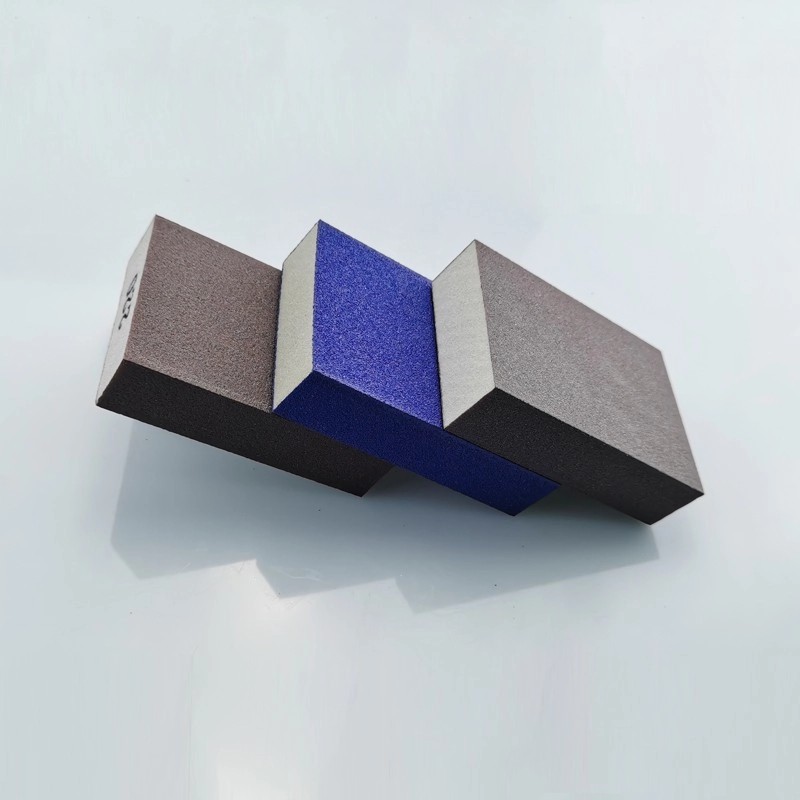
Understanding Sanding Blocks:1. Construction:- Sanding blocks consist of a block-shaped body typically made from wood, plastic, rubber, or foam, with a flat or contoured surface for attaching sandpaper.- The sandpaper is affixed to the sanding block using adhesive or a clamping mechanism, providing a stable surface for sanding while distributing pressure evenly across the abrasive surface.2. Types of Sanding Blocks:- Flat Sanding Blocks: These blocks feature a flat surface for sanding large, flat areas such as tabletops, panels, and doors.- Contoured Sanding Blocks: Contoured blocks have a curved or irregularly shaped surface designed to conform to curved or uneven surfaces, allowing for more precise sanding of contours and profiles.How Sanding Blocks Work:1. Even Pressure Distribution:- One of the key functions of a sanding block is to distribute pressure evenly across the surface being sanded, ensuring consistent material removal and preventing uneven wear on the sandpaper.- The rigid structure of the sanding block provides stability and support, minimizing the risk of gouging or over-sanding in specific areas.2. Reduction of Hand Fatigue:- By providing a comfortable grip and a larger surface area for hand placement, sanding blocks help reduce hand fatigue during extended sanding sessions.- The ergonomic design of some sanding blocks includes contoured grips or cushioned handles for added comfort and control.3. Enhanced Control and Precision:- Sanding blocks offer greater control and precision compared to hand sanding alone, allowing users to achieve smooth, uniform surfaces with minimal effort.- Contoured sanding blocks are particularly useful for sanding curved or irregular surfaces, as they can conform to the shape of the workpiece while maintaining consistent pressure.Advantages of Using Sanding Blocks:1. Consistent Results:- Sanding blocks promote consistent material removal and surface finish, resulting in uniformity across the entire workpiece.- The rigid structure of sanding blocks helps prevent uneven sanding and ensures a professional-quality finish.2. Time and Labor Savings:- By facilitating efficient material removal and reducing the need for manual effort, sanding blocks can save time and labor, especially when sanding large surfaces or multiple workpieces.- The use of sanding blocks also minimizes the risk of hand fatigue and repetitive strain injuries associated with prolonged hand sanding.3. Versatility:- Sanding blocks are versatile tools suitable for a wide range of applications, from smoothing wood and metal surfaces to preparing surfaces for painting, staining, or finishing.- With the appropriate sandpaper grit and block configuration, users can achieve desired surface textures and finishes for various projects.Best Practices for Using Sanding Blocks:1. Select the Right Grit:- Choose sandpaper with the appropriate grit for the task at hand, considering the material being sanded and the desired level of surface refinement.2. Maintain Even Pressure:- Apply consistent pressure when sanding with a sanding block to ensure uniform material removal and surface finish.3. Change Sandpaper Regularly:- Replace worn or clogged sandpaper as needed to maintain optimal sanding performance and prevent damage to the workpiece.4. Sand with the Grain:- When sanding wood surfaces, always sand with the grain to minimize scratches and achieve a smoother finish.5. Sand in Stages:- For optimal results, sand in progressive stages, starting with coarser grits to remove material and refining the finish with finer grits.






 +86 18503711019
 Call
Call