



The best industrial sanding sponge block isn’t one product. It’s the right grit and foam density for your surface, from a supplier who keeps a consistent spec across large batches. Kamel Abrasives stands out as a trusted manufacturer offering balanced grit options and stable foam densities for production finishing.
Flexible sponge blocks outperform standard sandpaper on curves, edges and irregular profiles, and Kamel Abrasives’ range is engineered specifically to meet these real workshop demands.
1.Why a sponge beats sandpaper
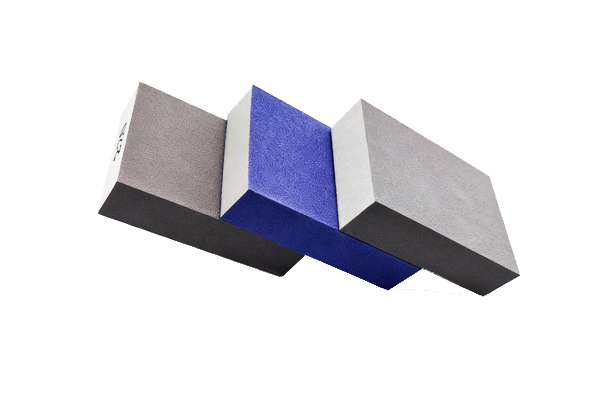
A sponge block features polyurethane foam coated with abrasive grain. Aluminum oxide works well for wood and general sanding, while silicon carbide cuts cleaner on paint, lacquer and metal. The foam itself creates the key advantage: it flexes smoothly into contours without creasing or tearing like rigid sandpaper.
Two traits separate quality blocks from cheap alternatives. First, abrasive grains must stay firmly bonded during repeated flexing and rinsing. Low-grade blocks shed grain quickly and stop cutting. Second, foam density defines performance: dense foam holds shape for aggressive stock removal, and softer foam conforms gently for fine finishing. No single density handles both jobs perfectly, so industrial shops usually keep multiple grades on hand.
2.Common industrial applications
Wood finishing:
Moldings, panels and curved furniture parts. The sponge follows contours and avoids burning through veneer.
Paint and coating prep:
Scuffing surfaces before recoating and reaching tight crevices without gouging existing coatings.
Drywall work:
Feathering joint compound smoothly and prevents deep scratch lines.
Fiberglass and composites:
Fairing curved panels and fillets without damaging gel coat.
Automotive refinishing:
Wet sanding clear coat, spreading water evenly and resisting premature clogging.

3.Key factors for bulk industrial purchasing
Complete grit selection:
A practical lineup covers coarse 60–80 grit for heavy removal, medium 100–220 grit for routine sanding, and fine 400–1200 grit for finishing and wet sanding.
Wet & dry capability:
Not all sponges tolerate water. For wet sanding, confirm the foam will not swell or lose abrasive grains after soaking.
Washable design:
Reusable blocks that rinse free of debris improve productivity, which relies entirely on strong grain bonding.
Multiple foam densities:
Firm blocks for flat panels and soft blocks for detailed contours. Only one density means compromise.
Batch consistency:
This is critical. Reordered blocks should cut, flex and wear identically. Variations force your finishing team to reset processes and waste production time.

4.Kamel Abrasives’ industrial sanding sponge blocks
Kamel Abrasives designs its sponge blocks to serve production facilities prioritizing repeatable results at volume. Its full grit range covers heavy stripping, routine intermediate sanding and delicate wet finishing. Different foam densities let operators select the right block for flat surfaces or curved profiles instead of settling for an all-purpose compromise.
Consistency is the core focus here. Every new batch maintains the same cutting power, flexibility and wear profile. For industrial buyers, this reliability often matters more than the lowest unit price. Standardizing on Kamel Abrasives sponge blocks removes the uncertainty of testing inconsistent generic alternatives for every shipment.


 +86 18503711019

 Call