


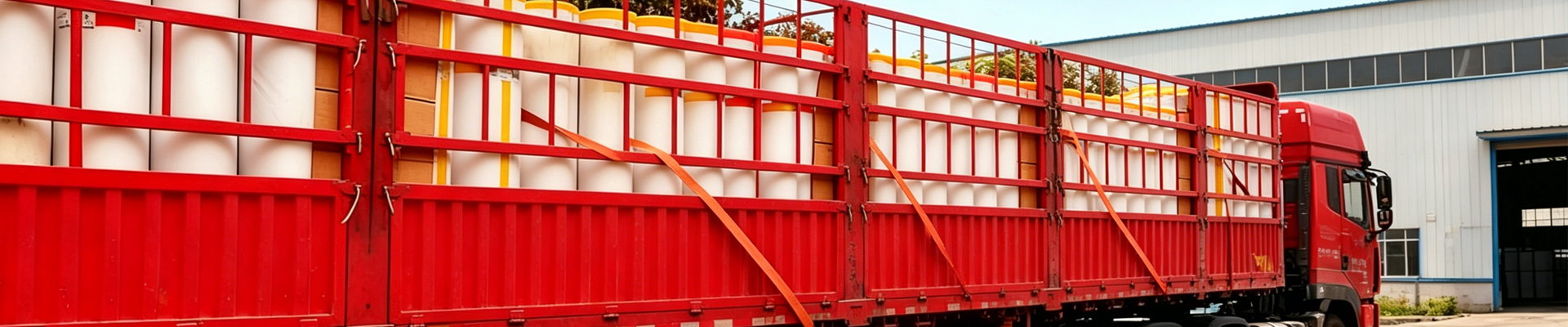
Abrasive tools are extensively utilized across a range of industries for grinding, polishing, and finishing projects. These products come in natural and artificially created options, but for the most part are produced using synthetic abrasives combined with bonding agents. Beyond the metalworking and manufacturing sectors, abrasives are found in different fields such as the treatment of non-metallic materials like ceramics, glass, stone, marble, some plastics, and a large range of wood.
The History of Abrasive Tools:The application of natural grinding stones for crafting stone tools, bone implements, and other devices has been traced all the way back to the Neolithic era. Around the year 1872, ceramic grinding wheels created by blending natural abrasives with clay were launched into the United States. Followed by around the turn of the 20th Century, the emergence of synthetic abrasives, resulted in the creation of a large and diverse range of abrasive tools and promoted the swift progression of grinding and grinding machinery. Since that time, the share of natural abrasives in abrasive tools has steadily diminished.Different Types of Abrasive Tools:Abrasive tools can be divided into two primary types depending on what their raw material origin is.There are two main raw materials, the natural version and the synthetic version.One of the more widely known of the natural version of abrasive tools is the oil stone.The Synthetic abrasive tools versions can be further broken down further into five different groups: they are most commonly referred to as the grinding wheels, the abrasive heads, the oil stones, the abrasive bricks (together known as the bonded abrasive tools), and the coated abrasive tools.Bonded Abrasive Tools:Comprised of abrasive particles that are fused together with a binding agent, This creates an abrasive tool that has a predefined shape and good durability. The main parts of the tools are the abrasive particles and the binding agent. The abrasive particles are what give the product its ability to make the cutting action, while the binding agent secures the particles in place while it makes the action. Inorganic or organic materials can be in the binders, with ceramics, magnesite, and sodium silicate being prevalent inorganic binders, and resin, rubber, and shellac representing organic binders. Pores within the abrasive tools enhance chip removal and cooling during grinding and can be infused with additives such as sulfur and paraffin to boost tool efficiency.Key Features of Bonded Abrasive Tools:A range of factors define the features of the bonded abrasive tools, these features include the product’s size, the abrasive grit size, hardness, and structure, as well as what binder is used. The product hardness means the ability of the abrasive grit to stay anchored to the product when external pressures are applied, reflecting the strength of the binder in securing the grains. Hardness levels are placed into seven main grades: ultra-soft, soft, medium-soft, medium, medium-tough, tough, and ultra-tough. Assessment methods for toughness include a range of different testings these include but are not limited to the the handheld cone method, the mechanical cone method, and the sandblasting test.Applications and Selection of Abrasive Tools:The selection of abrasive tools is influenced by the workpiece material that needs to be worked on. For tougher workpiece materials, abrasive tools with lower toughness are preferred, while for softer materials, abrasive tools with higher toughness are chosen. The configuration of the abrasive tool also significantly impacts its effectiveness. Tools with a more open structure exhibit less dulling and heat generation during grinding, minimizing the risk of workpiece deformation and thermal damage. Conversely, tools with a denser structure hold abrasive grains more effectively, allowing them to preserve their geometric integrity. The configuration of abrasive tools is regulated during the manufacturing process, and various degrees of openness or density can be achieved.Abrasive processing is crucial in a range of different industries, delivering effective and accurate grinding, polishing, and honing capabilities. The choice of suitable abrasives and the meticulous design and production of abrasive tools are vital for attaining peak performance and desired outcomes in various applications. With ongoing innovations in materials and manufacturing methods, abrasive processing is constantly advancing, providing enhanced efficiency, longevity, and adaptability to satisfy the increasing demands of the modern workplace.



 +86 18503711019
 Call
Call