


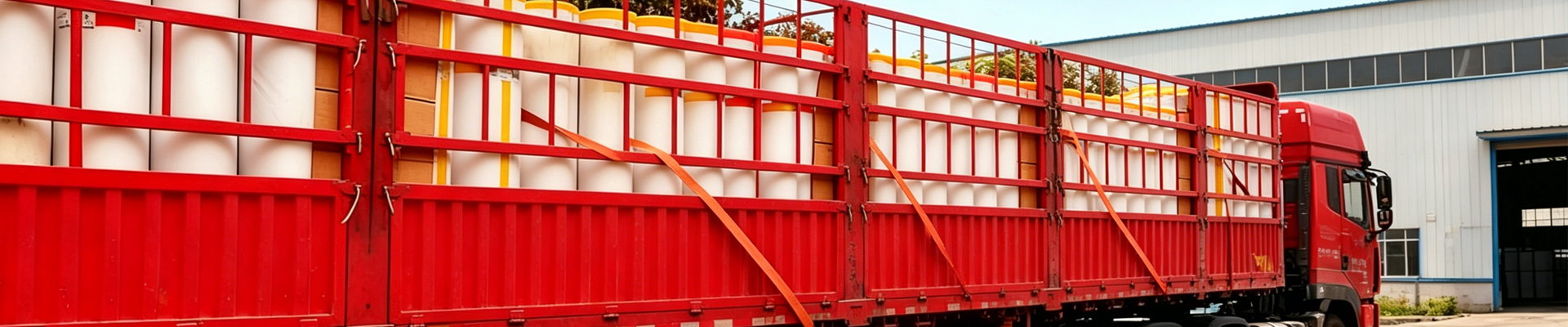
Abrasive belts are commonly utilized in a large number of sectors for grinding and polishing tasks. They are comprised of four fundamental components: the substrate material, adhesive agent, abrasive particles, and structural configuration. Below we will have a comprehensive look at each of these elements and investigate the various applications of abrasive belts across different industries.
Manufactured design of Abrasive Belts:Abrasive belts can be described as having four primary components:a. Backing Material: Abrasive belts are constructed from a backing material fabric or composite substances. Each type of fabric possesses distinct characteristics and is designed for different uses.b. Abrasive Grains: Abrasive grains influence the level of cutting and grinding capabilities for the belt. Naturally occurring abrasive stones like corundum and garnet, alongside the man-made aluminum oxide and silicon carbide, are the most frequently utilized.c. Bonding Agent: A bonding agent is used to secure the abrasive grains in position and imparts durability to the belt. There are a range of agents that can be used, each offers unique adhesive qualities. The quality level of the finished belt can also impact with agent is used during production.d. Structural Form: Abrasive belts can be manufactured to feature a continuous structure or incorporate joints, such as butt joints or lap joints. The design used is dependent on the specific product needed use.Uses of Abrasive Belts:Abrasive belts are extensively used across a large number of industrial sectors:a. Woodworking Sector: Abrasive belts are used on a range of woods, which can include solid timber planks, plywood, fiberboard/drywall, particleboard, and in the production of furniture.b. Metalworking Sector: The belts are commonly used for the grinding and finishing tasks on both non-ferrous and ferrous metals.c. Other Sectors: The belts can also be found being utilized in the ceramic, leather, fiber, paint, plastic, rubber, and stone industries, for specialized surface treatment and polishing tasks.Choosing the Correct Abrasive Belt:Selecting the appropriate abrasive belt is essential for getting the best grinding efficiency and durability. Things to consider in advance are:a. Which abrasive grit size is needed, this is based on the desired grinding effectiveness and surface quality. Finer grits are ideal for attaining polished finishes, while coarser grits excel at material removal.b. What type of bonding agent? Bonding agents provide different levels of strength and adaptability to a range of working conditions. Choosing the most suitable bonding agent according to the specific needs of the project will provide a better end result.c. Assess the backing material that best fits your requirements. Heavy-weight fabric backings are typically more robust and suitable for demanding applications, while J-weight backings are more flexible and better for the more detailed finishing tasks.d. The structural form of the abrasive belt should align with the equipment being utilized. Seamless belts deliver a more consistent grinding experience, while jointed belts offer flexibility in reaching various areas.Safety Measures and Maintenance:Safety and product careTo get the best results and to stay safe when using the product, there is a need to take some precautions below are some of the most important steps:a. Make sure the abrasive belt is fitted to face the same direction as shown on the belt this is so the belt wont break or damage the workpiece it is being used on.b. Prior to use, use the abrasive belt on the machine for a short period of time to check the belt runs smoothly and correctly. This will also detect any irregularities or flaws in the belt.c. Before using the belt, hang the unpackaged belt on a pipe or rack with a diameter of between 100-250mm for a couple of days. This will allow the belt to acclimate to the surrounding temperature and humidity in the working environment and maintain its structure while in use.Abrasive belts are widely used in a range of industries, giving efficient grinding and polishing solutions. Having a good knowledge of the essential components of abrasive belts, their uses, and choosing the right belt for each different project is vital for achieving the required outcomes. By adhering to proper safety and care instructions, operators can increase the performance and extend the life of abrasive belts being used.Choose an abrasive belt that has the backing material, abrasive grains, bonding agent, and structural form that meets the specific demands of the project requirements. Product requirements such as what material is being processed, the required surface finish, and what efficiency of material removal will help when choosing the grit sizes needed.


 +86 18503711019
 Call
Call