


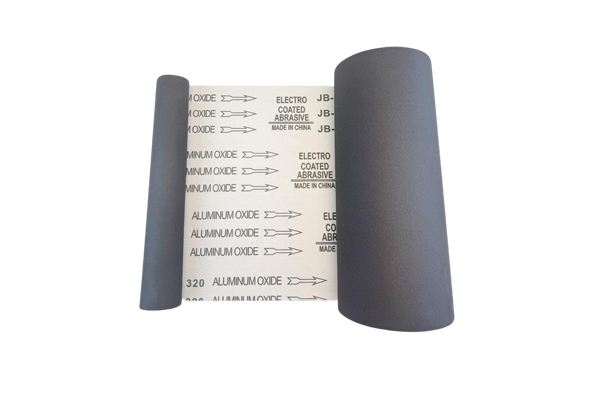
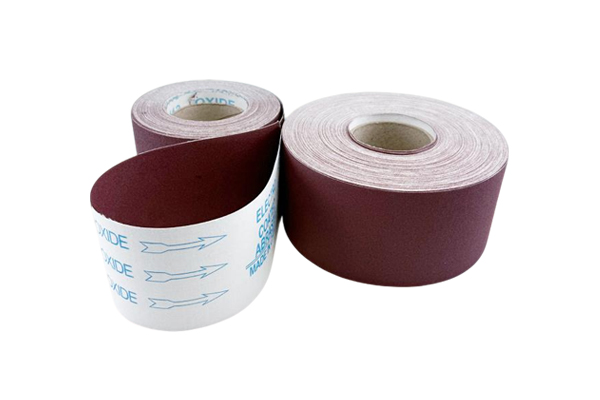
The field of abrasive materials has undergone remarkable progress with the introduction of ultra-hard substances such as synthetic diamonds and cubic boron nitride. These materials, employed as abrasives, are affixed to pliable substrates using binding agents to produce coated abrasives. Often referred to as flexible grinding tools, coated abrasives have become essential in contemporary machining, serving industries that demand precision and superior surface finishes. This article investigates the innovative domain of surface treatment of ultra-hard materials like diamonds for application in coated abrasives, examining various techniques and their influence on performance.
Technological Progression of Coated AbrasivesIn response to the increasing requirements for superior machining accuracy and surface finish across various sectors, conventional abrasive tools encountered limitations. This void was effectively filled by coated abrasives, which provide versatility, adaptability, and enhanced performance. The core of coated abrasives is their bonding agents, which securely affix synthetic diamonds or cubic boron nitride particles to a pliable substrate, typically made of cloth or paper.The Rise of Surface TreatmentWith advancements in technology and the introduction of novel materials, there emerged a demand for coated abrasives capable of meeting these evolving needs. This spurred the creation of ultra-hard material coated abrasives. These sophisticated tools address the specific demands of industries such as electronics, glass manufacturing, gemstone shaping, and toughen materials like stainless steel and hardened steel.Factors Affecting PerformanceThe effectiveness of ultra-hard material coated abrasives depends on three key elements: the substrate, adhesive agent, and abrasive component. However, given the heightened expectations for resilience and lifespan, concentrating exclusively on the substrate and adhesive agents may not suffice to fulfill performance standards.Surface Treatment TechniquesBelow is a review of five different test groups, each with a distinct surface treatment method applied to the diamonds:Silicone Binding Agent: Silicone binding agents serve as a link between inorganic and organic materials, improving their compatibility. These silicone compounds present unique opportunities due to their diverse functional groups. The impact of silicone treatment on diamond surfaces is complex, reflecting the intricacies of surface interactions.Nickel Coating with Silicone Treatment: Nickel coating improves the adhesion of diamonds to surfaces, while the concurrent use of silicone coupling agents further modifies the surface properties.Aluminum-Titanium Binding Agent : This technique combines the advantages of aluminum and titanium coupling agents. The resulting hybrid effect enhances the inorganic filler content within the resin, leading to superior mechanical properties and reduced viscosity.Titanium-Coated Diamonds with Aluminum-Titanium Binding Agent: The integration of diamond surface coating with aluminum-titanium coupling agent treatment has the potential to improve both adhesion and mechanical properties of the coated abrasives.The final evaluation also includes a comparative study to assess the effects of these surface treatments on the wear of abrasive belts during use, providing information for further examination.Findings and ObservationsThe experimental data clearly indicate that concurrent surface treatment through diamond coating and the application of specific coupling agents produces encouraging outcomes. However, the underlying mechanisms responsible for these enhancements require further exploration, potentially utilizing advanced material characterization techniques.The surface treatment of ultra-hard materials like diamonds for use in coated abrasives is an emerging discipline, propelled by the demand for improved precision and longevity in machining. The integration of material science, surface chemistry, and manufacturing processes is crucial for realizing the full capabilities of these sophisticated abrasive tools. As industries strive to expand the limits of machining, comprehending and leveraging surface treatment techniques will be essential in shaping the future landscape of coated abrasives.


 +86 18503711019
 Call
Call