



Sanding is a crucial process in numerous industries, from woodworking and construction to automotive and crafting. Attaining a sleek and professional finish through sanding demands more than merely having the appropriate tools – it necessitates adhering to the “Golden Rule of Sanding.” This principle includes vital guidelines that steer both professionals and hobbyists toward achieving the best outcomes. below, we explore the idea of the Golden Rule of Sanding and offer insights into its main requirements.
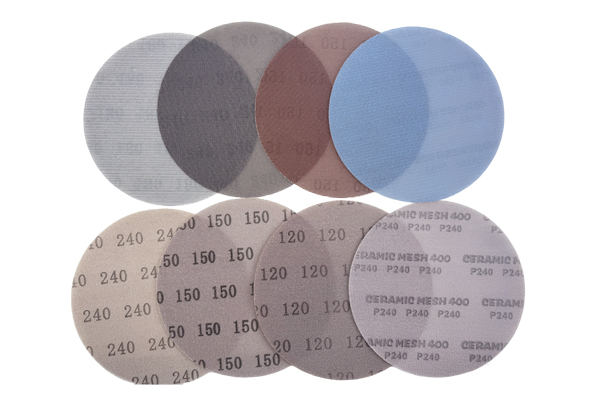
How to best understand what the golden rule of sanding is :The rule can be best described as: “Begin with the most suitable coarse grit and gradually use more and more finer grits to achieve the required results.”Let’s look at what this actually meansBegin with the most suitable coarsest grit:When sanding the initial phases of sanding involve utilizing a coarse-grit sandpaper or abrasive material. Coarse grits, characterized by numbers that usually start at 36 or 40 grit, use larger abrasive particles. these are used to eliminate noticeable flaws, such as deep scratches, paint layers, or uneven surfaces. Coarse grits are particularly good when it comes to shaping and leveling the workpiece efficiently.Gradually transition to the finer grits:As you work through the sanding project, slowly move up into the finer grits. The higher the grit number the smaller the abrasive particles are, which when used leads to smoother surfaces. The end result is to smooth the surface, eliminate scratches that might be left after using the coarser grits, and give the required finish. Every change of sandpaper should smooth out any scratches left by the previous grit, resulting in a more polished surface.Benefits of following the golden rule:Effective Surface Preparation:We are beginning with a coarse grit speeds up the removal of undesirable layers, making the following sanding stages more efficient. This approach conserves both time and effort compared to starting with finer grits.Avoiding excessive use of fine grits:Using fine grits too early can hinder progress and lead to premature degradation of the abrasive material. By adhering to the Golden Rule, you enhance the durability of each grit and achieve reliable results.Sleek and refined finish:The gradual transition to finer grits guarantees a sleek, refined, and blemish-free surface. This is especially important when working on prominent surfaces where an impeccable finish is crucialApplication in different industries:The Golden Rule of Sanding is relevant across various industries and materials:Woodworking: Whether it is preparing wooden planks or boards for finishing or rejuvenating antique furniture, beginning with coarse grit and gradually transitioning to finer grits will give the smoothest surface possible.Automotive: When used for automotive detailing and bodywork, using this principle ensures the elimination of paint flaws and achieves a pristine, showroom-quality finish.Construction: With surfaces like drywall, following the Golden Rule contributes to a seamless surface that is ready for painting or finishing.Techniques for effective sanding:Apply uniform pressure across the surface of the workpiece to prevent uneven sanding and stop the removal of too much material.Choose the correct sanding tool for the job, for small or delicate projects, hand sanders will probably be more suited, for larger projects power sanders will allow better results,Monitor progress regularly: As you advance through the grits, take breaks to examine the surface under adequate lighting to spot any remaining flaws.The golden rule of sanding serves as a foundational principle for achieving the required results for all sanding projects. By starting with coarse grit and gradually transitioning to finer grits, you effectively eliminate imperfections and achieve a sleek, polished finish. Whether in woodworking, automotive detailing, or construction, following this rule results in high-quality outcomes and gives the best usage of your sanding equipment.






 +86 18503711019
 Call
Call