


When it comes to creating sleek and polished surfaces, sandpaper and sanding equipment are a dynamic pairing. Sandpaper, a highly adaptable abrasive tool, and sanding machines, powerful and efficient devices, collaborate effectively to prepare, shape, and refine a wide range of surfaces. In this article, we will examine the functions of sandpaper and sanding machines in surface enhancement, their distinctive attributes, and the advantages they provide across various industries and uses.
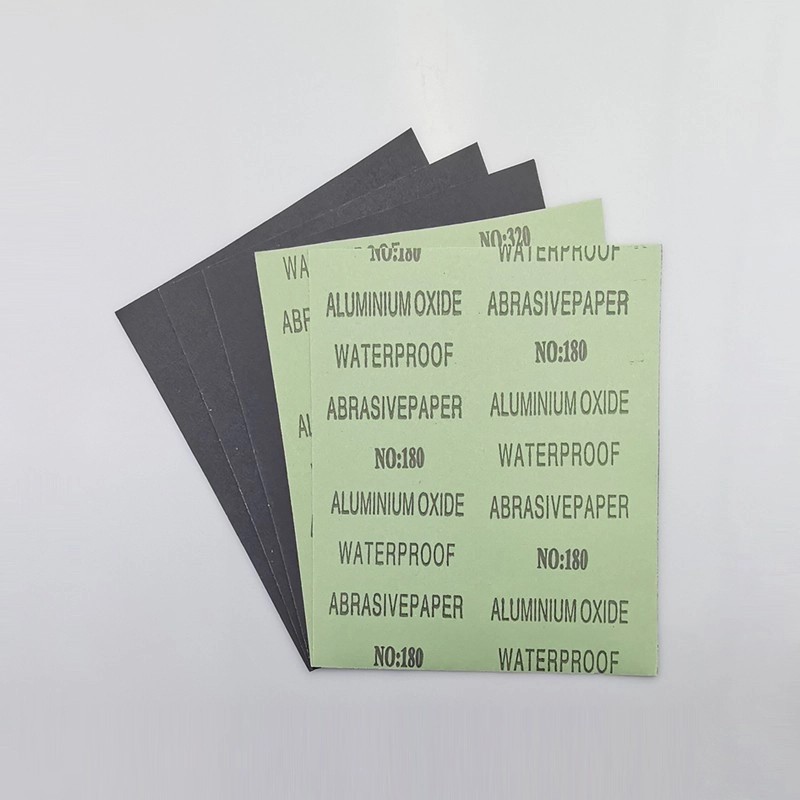
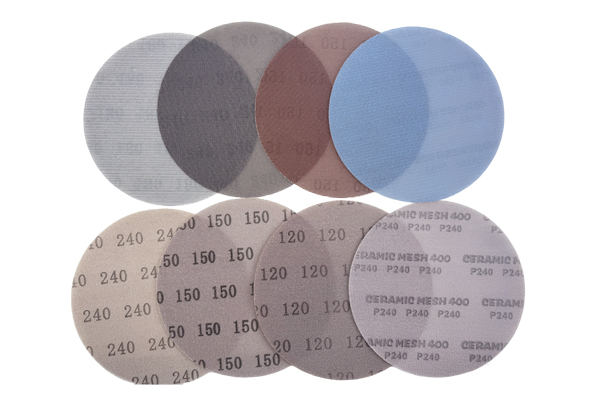
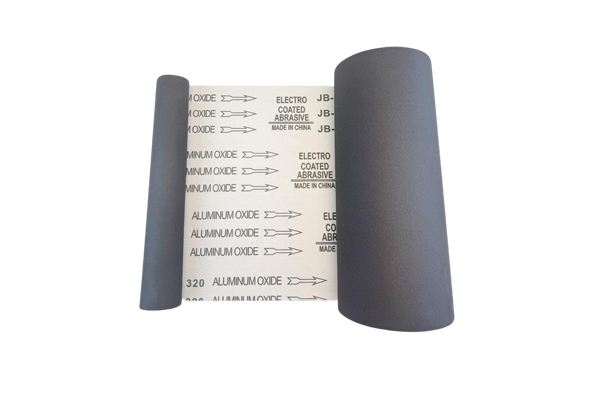
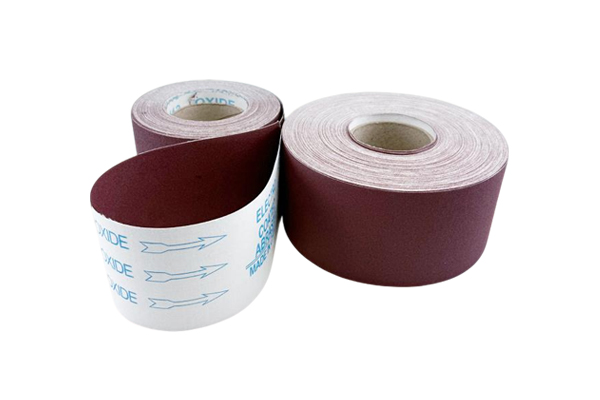
Sandpaper: A Flexible and Accurate Abrasive SolutionSandpaper, often called abrasive paper, is a crucial tool for surface preparation and finishing. It consists of a pliable backing material, such as paper or fabric, coated with abrasive grains. These grains, available in multiple grit levels, deliver the cutting power needed to remove flaws, smooth uneven surfaces, and ready materials for additional treatment. Notable features of sandpaper include:1.Large Range of Grit Options:Sandpaper is offered in a broad spectrum of grit sizes, ranging from rough to ultra-fine. Rougher grits, such as 40 or 60, are excellent for aggressive material removal or shaping tasks, while finer grits, like 220 or 400, are perfect for achieving a refined, glossy finish.2.Backing Material Options:Sandpaper is available with various backing materials, such as paper and fabric. Paper-backed sandpaper is cost-effective and ideal for general-purpose use, while fabric-backed sandpaper provides superior strength and adaptability for more rigorous applications.3.Abrasive Material Choices:Different abrasive materials, including aluminum oxide, silicon carbide, and garnet, are utilized in sandpaper. Each type of abrasive has unique properties and performance attributes, making them well-suited for specific tasks and materials.Sanding Machines: High-Performance Tools for AccuracySanding machines, commonly referred to as sanders, are power tools engineered to streamline the sanding process. They employ rotary or orbital movements to ensure uniform and precise abrasion. Sanding machines are available in various forms, such as belt sanders, random orbital sanders, and detail sanders. Notable features of sanding machines include:1.Speed and Productivity:Sanding machines provide rapid sanding capabilities, allowing for swift material removal and efficient surface preparation. They significantly reduce time and labor compared to manual sanding, making them essential for extensive projects or repetitive duties.2.Dust Management Systems:Contemporary sanding equipment often incorporates advanced dust management systems designed to capture and contain fine particulate matter. This functionality fosters a more hygienic and safer workspace by significantly reducing the presence of airborne dust and streamlining post-sanding cleanup.3.Flexibility and Customization:Sanding tools are engineered to support a wide array of sandpaper types and dimensions, enabling users to tailor their approach to diverse surface needs. With interchangeable sanding attachments, such as pads or discs, these machines offer adaptability to achieve optimal finishes across various materials.Advantages of Utilizing Sandpaper and Sanding Equipment:1.Accuracy and Uniformity:The synergy between sandpaper and sanding machines delivers meticulous and consistent material removal and surface enhancement. The regulated abrasion facilitated by sanding tools, paired with the tailored grit sizes and abrasive compositions of sandpaper, ensures even and reliable outcomes.2.Enhanced Productivity and Reduced Effort:Sanding equipment dramatically cuts down the time and physical exertion needed for surface preparation. By accelerating material removal and replacing manual sanding, these tools boost efficiency and lower labor expenses.3.Broad Industry Applicability:Sandpaper and sanding machines are indispensable across multiple sectors, such as woodworking, automotive repair, metal fabrication, and construction. They are employed for tasks like smoothing uneven surfaces, stripping paint or coatings, prepping surfaces for final treatments, and creating specific textures.Sandpaper and sanding machines represent a powerful combination for achieving impeccably smooth and polished surfaces. The adaptability of sandpaper, with its diverse grit options and backing materials, alongside the precision and effectiveness of sanding machines, ensures efficient material processing and surface preparation. Whether in woodworking, automotive restoration, or other industries, these tools deliver unparalleled benefits, including exactness, time savings, and adaptability. By harnessing the capabilities of sandpaper and sanding machines, both professionals and hobbyists can attain outstanding results in their surface finishing endeavors.



 +86 18503711019
 Call
Call