


Alloy wheels are a popular choice for automotive enthusiasts seeking enhanced performance, style, and durability. Over time, alloy wheels can become tarnished, scratched, or corroded due to exposure to road debris, brake dust, and environmental factors. Restoring the appearance of alloy wheels often involves sanding and refinishing to remove imperfections and restore their original shine.
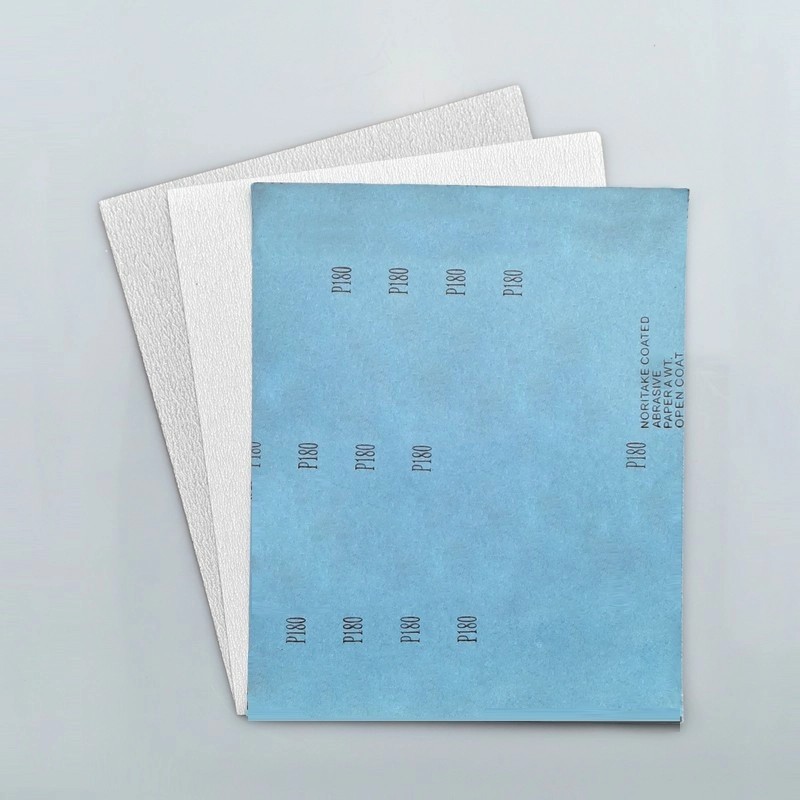
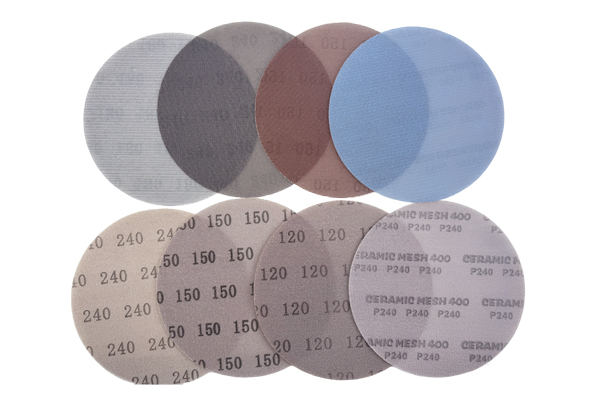
Understanding Sandpaper Grit:Sandpaper is classified by its grit, which refers to the size of abrasive particles embedded in the paper. The grit number indicates the coarseness or fineness of the sandpaper, with lower numbers representing coarser grits and higher numbers indicating finer grits.Coarse Grits (40-80):Coarse grit sandpapers, typically ranging from 40 to 80 grit, feature large abrasive particles suited for heavy material removal and shaping tasks. When sanding alloy wheels, coarse grit sandpaper is ideal for removing surface imperfections such as deep scratches, pitting, or corrosion. It effectively levels the surface and prepares it for further refinement.Medium Grits (100-150):Medium grit sandpapers, falling within the range of 100 to 150 grit, strike a balance between material removal and surface smoothing. They are suitable for refining surfaces after using coarse grits, eliminating scratches, and blending imperfections. Medium grit sandpaper is commonly used for smoothing out rough areas and preparing the alloy wheels for polishing or painting.Fine Grits (180-240):Fine grit sandpapers, typically ranging from 180 to 240 grit, are designed for smoothing and polishing surfaces. In the context of alloy wheel restoration, fine grit sandpaper is used to further refine the surface and remove any remaining scratches or roughness. It prepares the wheels for the final polishing steps by creating a smooth and uniform surface texture.Extra Fine Grits (320-600+):Extra fine grit sandpapers, including those above 320 grit, are reserved for polishing and finishing tasks. They are used to achieve a high level of smoothness, remove very fine scratches, and create a mirror-like finish on the alloy wheels. Extra fine grit sandpaper ensures a flawless surface ready for buffing, polishing, or applying protective coatings.Choosing the Right Grit for Alloy Wheel Restoration:The choice of sandpaper grit depends on various factors, including the condition of the alloy wheels, the extent of damage or imperfections, and the desired outcome of the restoration process. Here’s a step-by-step guide to help you select the appropriate grit for restoring alloy wheels:1. Assess the Condition: Begin by inspecting the alloy wheels to identify any surface imperfections, scratches, or corrosion. Determine the severity of the damage and the level of restoration required.2. Start with Coarse Grit: If the alloy wheels have deep scratches, pitting, or corrosion, start sanding with coarse grit sandpaper (40-80 grit) to remove the surface imperfections and level the surface. Focus on the affected areas while avoiding excessive material removal.3. Progress to Medium Grit: Once the surface is relatively smooth, switch to medium grit sandpaper (100-150 grit) to further refine the surface and blend any remaining imperfections. Sand evenly and consistently to achieve a uniform texture across the entire wheel.4. Use Fine Grit for Smoothing: After sanding with medium grit sandpaper, switch to fine grit sandpaper (180-240 grit) to smooth out the surface and remove any remaining scratches or roughness. Sand lightly and evenly to prepare the wheels for polishing or painting.5. Finish with Extra Fine Grit: For optimal results, finish sanding with extra fine grit sandpaper (320-600+ grit) to create a smooth and flawless surface ready for polishing or coating. Sand gently and uniformly to achieve a mirror-like finish on the alloy wheels.6. Clean and Prepare: After sanding, thoroughly clean the alloy wheels to remove any dust, debris, or residue from the sanding process. Use a mild detergent or wheel cleaner and rinse with clean water. Dry the wheels completely before proceeding with polishing or applying protective coatings.7. Polish or Protect: Depending on your preference and the desired finish, you can polish the alloy wheels to enhance their shine and luster or apply protective coatings to preserve the restored surface. Follow the manufacturer’s instructions for polishing compounds, sealants, or coatings to achieve the desired results.


 +86 18503711019
 Call
Call