


While Kamel Abrasives and Grinding Tools is an OEM manufacturer and exporter to experienced importers and wholesales, a common question our sales teams get asked when attending exhibitions or via our online contact point is, “What is the difference between sandpaper and emery cloth.”
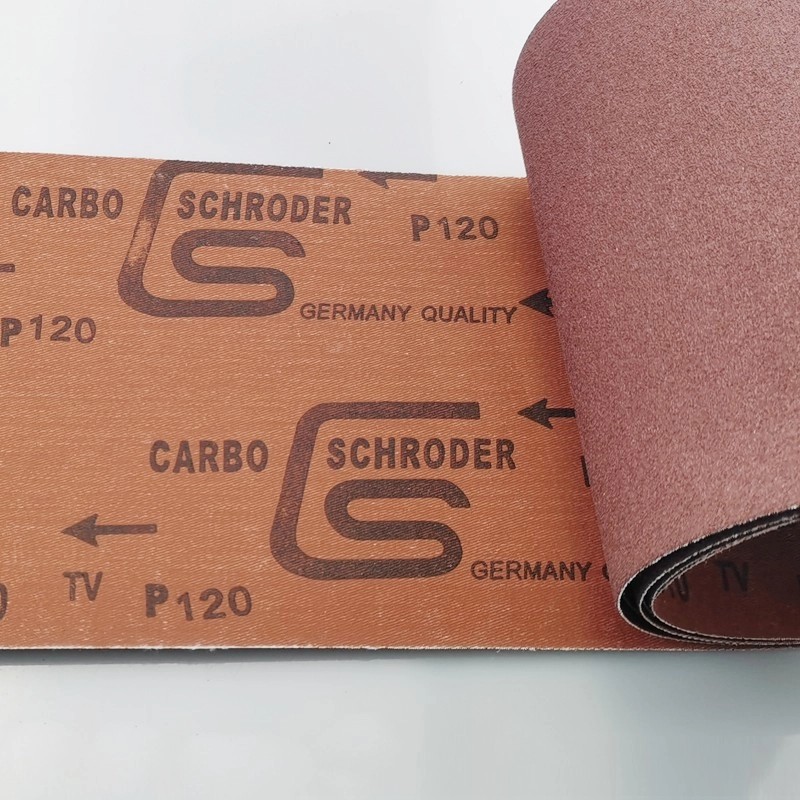
At first glance, both products can look and feel incredibly similar but they have differences that should be taken into account when purchasing and using.SandpaperSandpaper is an abrasive material that most of the general public is familiar with from visiting a local hardware store or has used in DIY projects at home or in their school days in a woodworking class It is a multipurpose product that is used to sand and smooth mostly wood surfaces.Sandpaper is available at the retail level in a range of shapes and colours at the visual level, however, the manufacturing steps used to create these different types are very close to identical.Backing Material- Sandpaper as the name suggests, mostly (but not always) uses a Kraft paper backing. Kamel Abrasives also has a range of latex-backed sandpaper for customers who have specialist product needs.Resin- A layer of resin is applied to the paper to seat the abrasive grain, and then a second layer of resin is applied after the abrasive grain is embedded in the first layer to seal the grain and prevent the grain from falling off the cloth.Abrasive Grain- The abrasive grain embedded in the resin gives the sandpaper its cutting power and sharpness. The most common grain used in sandpaper is a type of grain called Aluminium Oxide, which is a durable and versatile alumina that is suitable for a range of materials. Silicon carbide is an abrasive grain that is used to create sandpaper that is designed for harder surfaces.Grain Size (Grit) – Abrasive products use the size of the abrasive grain to classify the “grit” of each product. The lower the grit number the coarser (or rougher) the abrasive grain. The lowest numbers (40 or 60 grit) are used on rough-cut wood at the start of the sanding process through to the 600 or higher grits which are used for the final sanding or polishing. Kamel Abrasives’ most common grit ranges for sandpaper are from 40 grit (very coarse ) to 600 grit (very fine). For super fine sanding or polishing, we can supply up to 2000 grit (superfine).Usage- Sandpaper’s most common use is in the woodworking industry along with DIY or home decoration, while also finding some use in the metalworking and automotive industries (mostly in the polishing end of the process). Sandpaper is used to remove old paint and varnish, smoothing rough surfaces and preparing surfaces for finishing or repainting.Emery ClothEmery Cloth is an abrasive cloth that is designed to be used with metal, unlike sandpaper the emery cloth as the name suggests uses a cloth backing giving it more durability. The emery cloth is aimed at projects that require rust or corrosion removal.Backing material- Emery Cloth uses a J-weight cloth which is a lightweight, flexible cloth but still far more durable and long-lasting than the Kraft paper used in sand paper.Resin- A similar double resin process is used to create the emery cloth. The resin is used to keep the abrasive grain seated on the cloth.Abrasive Grain- Emery cloth uses a natural emery grain called corundum as opposed to the synthetic abrasive grains used in sandpaper. This gives emery cloth a cutting ability and hardness advantage that makes the emery cloth more suited for use with metal.Grain Size- The Kamel Abrasives grit range for our emery cloth product is from 40 grit (very coarse ) to 600 grit (very fine).Usage – Emery cloth is designed to be used for sanding metal by hand or machine, this includes rust and corrosion removal, it is very popular in the automotive industry as the durable cloth backing won’t come apart or shred during aggressive sanding.So after this brief introduction to both sandpaper and emery cloth how do we at Kamel Abrasives answer the question, “What is the difference between Sandpaper and Emery cloth?”Well, the main difference is no surprise as it’s in the product’s name, Sandpaper is made using a kraft paper backing and emery cloth is made using a lightweight cloth backing.The second difference is that sandpaper uses synthetic abrasives such as aluminium oxide and silicon carbide while emery cloth uses a naturally forming abrasive grain called corundum.The final main difference is that sandpaper is mainly aimed at wood-related products, and removing paint and vanish, while emery cloth is designed for use on metal and metal-related products and is used to remove rust and corrosion.Both sandpaper and emery cloth are very useful abrasive products when used correctly.


 +86 18503711019
 Call
Call