


For abrasive products that utilized for smoothing, polishing, or sanding surfaces, emery cloth and sandpaper are two of the most frequently brought products. Although they may seem alike at first glance, they possess distinct attributes that differentiate them.
1.Material Composition:Emery Cloth: Emery cloth is an abrasive medium created by affixing emery grains to a fabric backing. Emery itself is a natural abrasive comprised of a blend of magnetite (iron oxide) and corundum (aluminum oxide). The fabric backing lends flexibility and resilience to the emery cloth, making it ideal for a variety of applications.Sandpaper: In contrast, sandpaper consists of abrasive granules bonded to a paper substrate. These abrasive granules can differ widely and may include aluminum oxide, silicon carbide, garnet, or other substances. The selection of abrasive materials is determined by the desired level of abrasiveness and the nature of the material being processed.2. Grain Sizes:Both emery cloth and sandpaper are available in a range of grain sizes, which dictate the abrasiveness of the material. Grain sizes range from rough to smooth, with each size designed for specific tasks:Rough grains (lower numbers) are perfect for aggressive material removal and initial sanding operations.Intermediate grains strike a balance between material removal and surface refinement.Smooth grains (higher numbers) are utilized for polishing, refining, and achieving a polished finish.
3. Usage:Emery Cloth: Emery cloth is predominantly used in metalworking applications. Its robust fabric backing makes it ideal for manual sanding, deburring, and contouring metal surfaces. Emery cloth excels at eliminating rust, corrosion, and paint from metal, preparing it for subsequent treatment or finishing.Sandpaper: Sandpaper is widely utilized in woodworking, automotive refinishing, and general surface preparation. Its adaptability makes it effective for smoothing wood, prepping surfaces for painting or varnishing, and eliminating flaws such as old finishes, imperfections, or scratches.4. Advantages:Emery Cloth: The primary benefit of emery cloth is its robustness. The fabric backing guarantees durability, making it a cost-effective option for tasks that demand significant material removal or extended usage. Emery cloth is also less susceptible to tearing or degradation, ensuring reliable performance over time.Sandpaper: Sandpaper provides a wider array of options in terms of grit sizes and abrasive materials. It is easily accessible in numerous varieties, allowing users to choose the most suitable type for specific tasks. Sandpaper is generally more economical and versatile, making it appropriate for a diverse range of materials beyond just metalworking.Although both emery cloth and sandpaper function as abrasive tools, they possess unique characteristics that make them ideal for particular uses. Emery cloth shines in metalworking applications, providing resilience and effective material removal, whereas sandpaper’s adaptability and cost-effectiveness render it appropriate for a wide range of woodworking and surface finishing tasks.
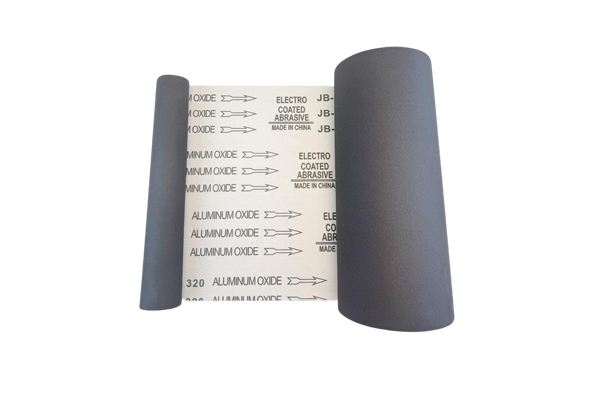
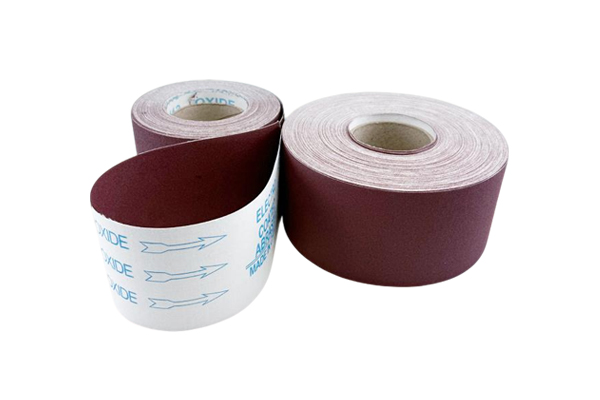


 +86 18503711019
 Call
Call