


In regards to stainless steel, a material celebrated for its strength, brilliance, and resistance to rust, a pertinent question can be asked: Are Non Woven Abrasives suitable for cleaning this materials surface?
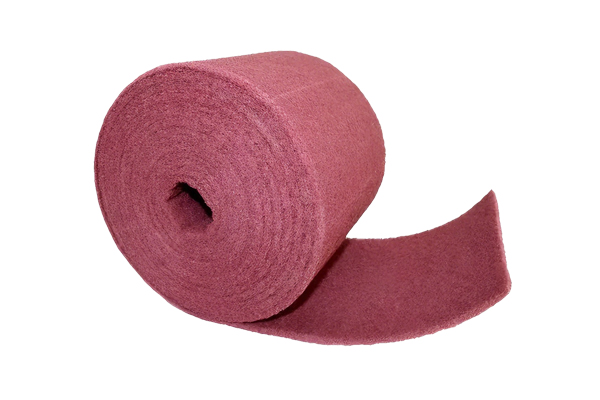
Understanding Stainless SteelStainless steel is a composite material that is mainly composed of iron, carbon, and chromium. The inclusion of chromium forms a delicate, translucent layer of chromium oxide on the surface when it reacts with oxygen. This layer serves as a protective shield, preventing further oxidation and deterioration. This self-repairing characteristic is what lends stainless steel its name and makes it a favored choice for kitchen appliances, utensils, and other items that require both visual charm and practicality.However, the preservation of this protective coating is essential for maintaining the visual look and function of stainless steel products. Any abrasive action that disturbs this layer can result in discoloration, corrosion, and pitting over time. Therefore, choosing the appropriate cleaning method is crucial for ensuring the durability and ongoing luster of the stainless steel product.The Composition of Non-Woven AbrasivesNon-Woven Abrasives are renowned for their scrubbing power, achieved by incorporating tiny, coarse particles into their sponges or pads. These abrasives are specifically designed to tackle stubborn messes without harming most surfaces. However, the degree of abrasiveness differs among various Non-Woven Abrasives offerings, with some being more intense than others.For example, the Heavy Duty Scrub Sponge is crafted for more demanding tasks and features stronger abrasives compared to the Non-Scratch Scrub Sponge, which is aimed at more delicate cleaning applications. It’s crucial to evaluate each specific product when determining its suitability for use on stainless steel.Effects of Using Non-Woven Abrasives on Stainless SteelThe main concern when using Non-Woven Abrasives on stainless steel is the risk of damaging the chromium oxide layer. While a gentle scrub with a non-abrasive non-woven sponge may not cause immediate issues, frequent use or excessive pressure could result in microscopic scratches that compromise the protective layer.These scratches can become breeding grounds for corrosion and rust, leading to unsightly marks and, ultimately, pitting. Furthermore, the abrasives in Non-Woven Abrasives can leave residual particles that might also contribute to future corrosion.Alternative Cleaning Methods for Stainless SteelTo reduce the problems that Non-Woven Abrasives can cause, there are more gentle cleaning options for stainless steel. One effective method is to utilize a soft cloth or microfiber towel along with a mild cleaning agent mixed with warm water. For larger staining , a paste made from baking soda and water can be lightly applied to the affected area as long as the metal is washing and dried afterwards.Additionally, there are specialized stainless steel cleaners that can be purchased that are designed to cleanse without harming the surface. These products are said to enhance the natural shine of the metal while safeguarding the protective out layer.Although Non-Woven Abrasives can be a great product for cleaning a range of surfaces, Using them on stainless steel should be approached with some care. The abrasive characteristics that make them so useful of a product may potentially damage the protective outer layers of the stainless steel, resulting in earlier that expected deterioration and a greatly reduced lifespan of the stainless steel item. To keep the structural integrity and high sheen of a stainless steel item, it is usually better to choose a milder cleaning method and cleaning agents that are designed with stainless steel cleaning in mind. This way it can be ensured that the stainless steel is kept in a pristine condition for its entire product lifespan.


 +86 18503711019
 Call
Call