


Removing a clear coat from a car or other painted surface demands precision to avoid harming the base layer. Sandpaper is a practical option, but selecting the appropriate grit is crucial for a smooth, controlled removal process.
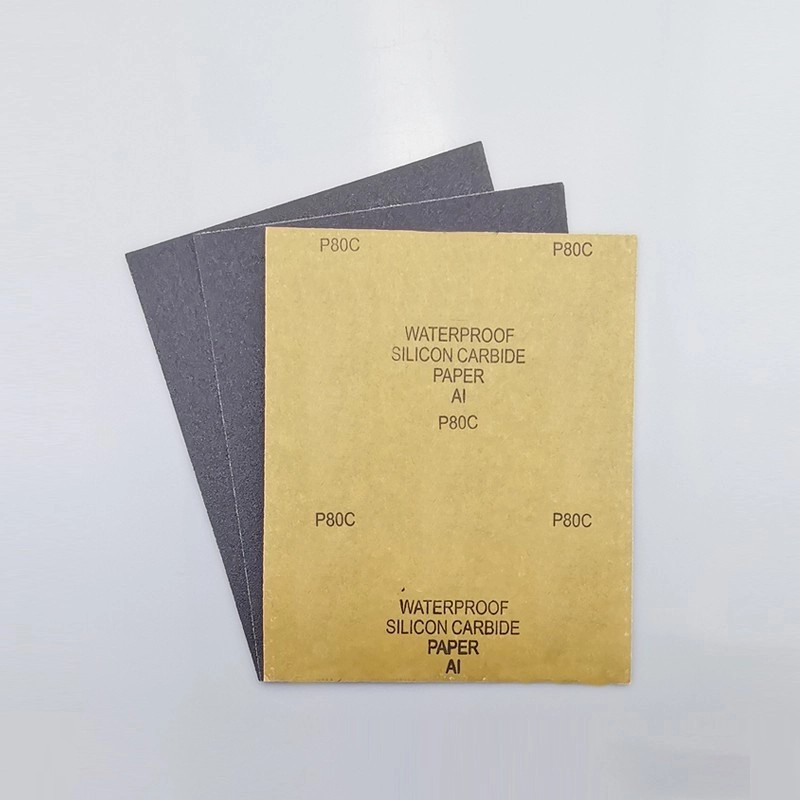
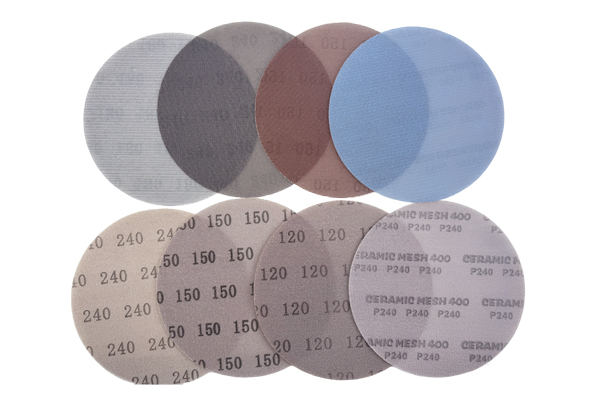
For stripping clear coat without compromising the underlying paint, fine-grit sandpaper (1200 or 1500) is ideal. These finer abrasives gently wear away the clear coat while minimizing the risk of deep scratches. Coarser grits (such as 400 or 600) can be too harsh, potentially gouging the paint and requiring extensive refinishing.Key Steps for Safe Clear Coat Removal:Surface Preparation – Thoroughly wash and dry the area to eliminate dirt, grease, or debris that could cause scratches during sanding.Proper Technique – Use a sanding block or dual-action sander to maintain even pressure and prevent uneven abrasion. Hand-sanding without a block can create swirl marks or uneven spots.Controlled Pressure – Apply light, consistent strokes, letting the sandpaper do the work rather than forcing it. Over-sanding can expose the base coat prematurely.Wet Sanding Option – For extra smoothness, wet sanding (using water or a lubricant) reduces friction, prevents clogging, and yields a finer finish.Alternative Clear Coat Removal Methods:Chemical Strippers – Solvent-based removers soften the clear coat for easy scraping, but they require careful application to avoid paint damage.Heat Guns – Controlled heat can loosen the clear coat, but excessive temperatures may warp the surface or harm the base paint.Final Considerations:Always test a small, inconspicuous area first to gauge effectiveness.After sanding, polish and reapply a new clear coat to restore protection and shine.If unsure, consult a professional to avoid irreversible damage.By using the right sandpaper and techniques, you can safely strip clear coat while preserving the integrity of the paint beneath. Patience and attention to detail are key to achieving flawless results.


 +86 18503711019
 Call
Call