



Woodworking is a harmonious blend of artistry, accuracy, and caution. Among the most indispensable tools in this trade is the sanding block—an uncomplicated yet vital instrument for refining surfaces before applying a final coat. Nevertheless, like all manual or motorized equipment, the sanding block demands careful handling to avoid mishaps and achieve optimal outcomes.
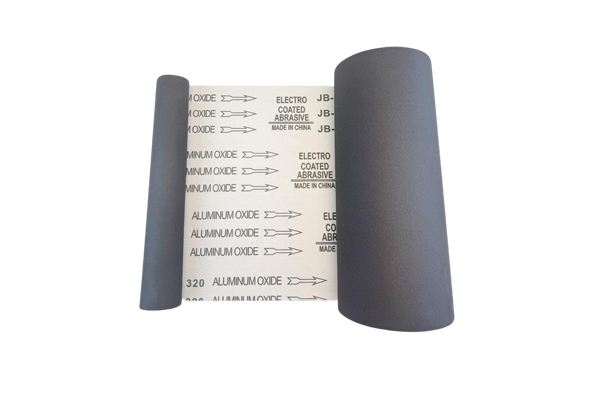
To begin, it’s essential to grasp the basics of a sanding block and its operation. Typically crafted from a sturdy, flat material like hardwood or dense plastic, a sanding block features an abrasive sheet fastened to one side. The abrasive layer performs the smoothing work, while the block offers a firm grip, ensuring steady motion and consistent pressure.Selecting the right sanding block is key. Opt for one that feels natural in your grasp and suits the scale of your project. A block that’s too petite may not cover enough area efficiently, whereas an oversized one can be awkward to maneuver. Likewise, the abrasive sheet’s coarseness should match the task—lower grits strip material quickly but leave a textured surface, while higher grits refine gently for a polished result.Now, let’s review the safety measures to observe when using a sanding block:1.Protective Gear: Always wear the necessary safety equipment before sanding. Shield your eyes with goggles or a visor to block dust and fragments. If operating a powered sander, hearing protection is advisable. A respirator or dust mask is crucial to avoid breathing in fine particles.2.Stable Workspace: Secure your workpiece on a steady, level surface. An unstable bench or uneven flooring can lead to slips or mishaps. Clamping the material in place is ideal to prevent shifting.3.Secure Grip: Hold the sanding block firmly, positioning your fingers along its sides—away from the abrasive’s path. This ensures better control and reduces the risk of finger injuries.4.Effective Technique: Employ fluid, even strokes for uniform results. Distribute pressure evenly across the block, avoiding excessive force that could mar the workpiece or shred the abrasive. Work methodically, overlapping each pass slightly to guarantee thorough coverage.5.Clean Abrasives: Frequently clear the abrasive sheet of accumulated debris. Clogged sheets lose efficiency and are prone to tearing. Use a stiff brush or gently tap the sheet against a hard edge to dislodge particles.6.Controlled Motion: Maintain contact between the block and workpiece at all times. Lifting it abruptly may cause kickback, risking injury or damage.7.Edge Awareness: Exercise extra caution near corners or edges to prevent accidental gouging. Switching to a smaller block or adjusting your technique may help in tight spots.8.Proper Disposal: Discard worn or clogged abrasive sheets responsibly. Check local waste regulations or recycling options for abrasive materials.9.Safe Storage: After use, wipe down the block and store it in a dry, secure location. Keep it away from children or pets to prevent misuse.10.Focused Attention: Stay fully engaged while sanding. Distractions like music or phone calls can lead to lapses in concentration, increasing accident risks.A sanding block is a cornerstone tool for any woodworker, but its effectiveness hinges on mindful use. By adhering to these principles, you can execute sanding tasks safely and skillfully. Prevention and preparation are paramount—equip yourself with the right tools, prioritize safety, and your craftsmanship will gleam with professional finesse. With diligence and respect for the process, your woodworking projects will reflect both precision and passion.







 +86 18503711019
 Call
Call